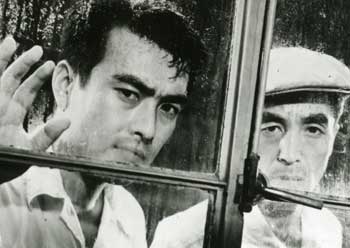
What happens when film festivals show old, ‘undiscovered’ films? Film Programme Manager Tom Vincent writes on press coverage for our recent Yoshitaro Nomura retrospective.
What happens when film festivals show old, ‘undiscovered’ films? Film Programme Manager Tom Vincent writes on press coverage for our recent Yoshitaro Nomura retrospective.
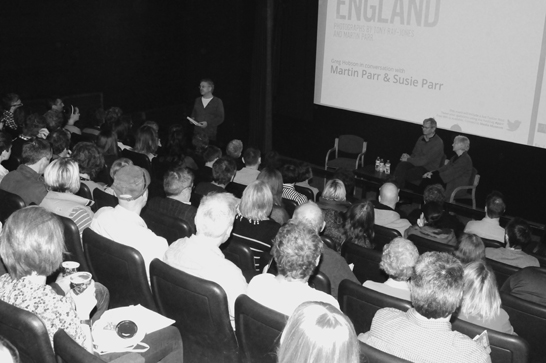
Martin Parr and Susie Parr discuss controversy, their careers, social media’s impact on photography and Tony Ray-Jones’s influence.
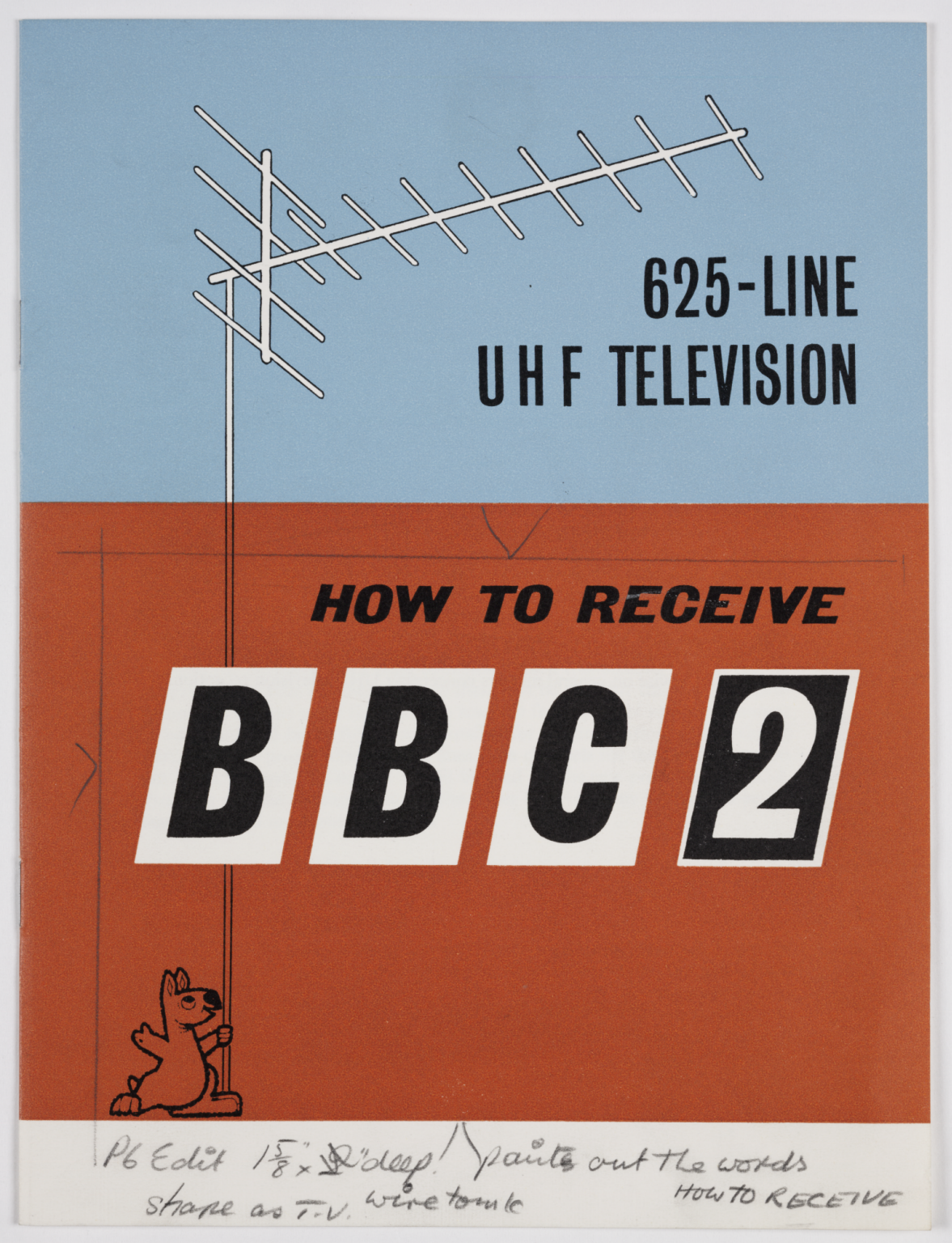
Iain Baird looks back at the launch of BBC2 50 years ago, and explains how Play School accidentally became the first successfully broadcast show on the new channel.
After suitably dutiful deliberations, our juries have delivered the verdicts on the 2 competitive sections at Bradford International Film Festival 2014.
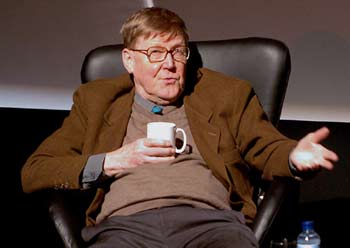
Head of the museum at the time of the very first BIFF, Amanda Nevill recounts the early years of the festival and what role it plays in the industry today.
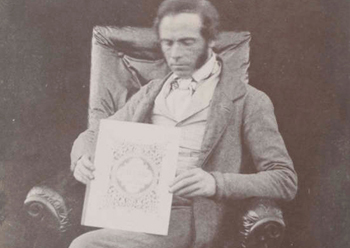
Talbot’s ‘picture book’ is a manifesto for photography, a polemic, an advertisement, a bid for posterity, a chronicle of the past and a vision of the future.
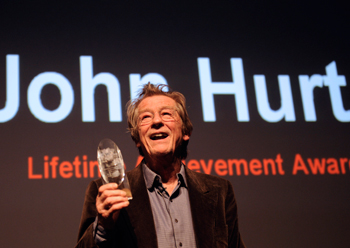
As he recalls his visit in 2010, actor John Hurt reflects on Bradford’s cinematic heritage and the British voice in the film industry.
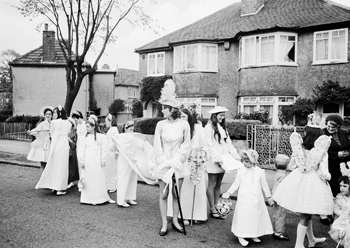
A visitor to the exhibition spotted herself in a Tony Ray-Jones photo. What will happen when Martin Parr’s Calder Valley work comes back to Yorkshire?
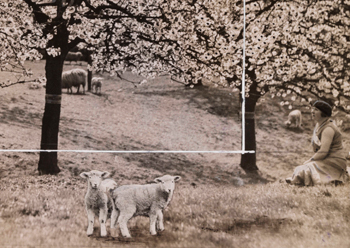
Image manipulation has been around longer than you might think—the compositing and shading techniques employed here were the precursors of Photoshop.
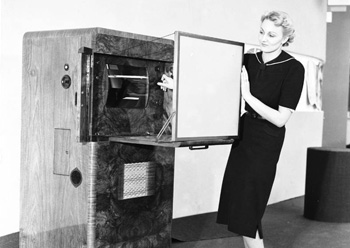
Iain Baird reveals the technology behind our latest television collection acquisition, and explains why the Scophony television scanner is not to be scoffed at.
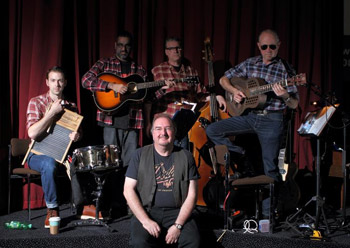
Ahead of the world premiere of Hell’s Hinges on 3 April, Neil Brand tells us about performing with the Dodge Brothers, and his love for the sound of cinema.
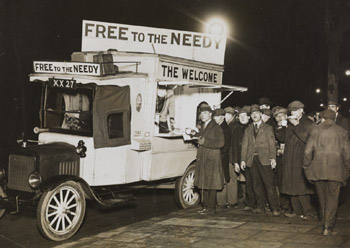
While our politicians, papers and commentators fall on either side of the food bank debate, we look back at poverty and charitable welfare in the 1930s.