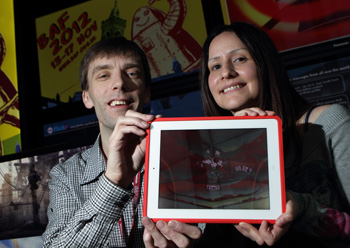
Phillip Tossell and Jennifer Schneidereit, aka independent game studio Nyamyam, visited Bradford to introduce their exquisite new game Tengami to our BAF Game audience.
Phillip Tossell and Jennifer Schneidereit, aka independent game studio Nyamyam, visited Bradford to introduce their exquisite new game Tengami to our BAF Game audience.
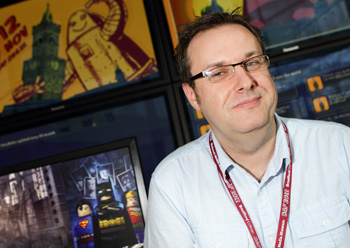
Bradford Animation Festival 2012 launched with a bit of local flavour: Stewart Gilray, Development Director of Oddworld Inhabitants, lives just up the road in Otley.
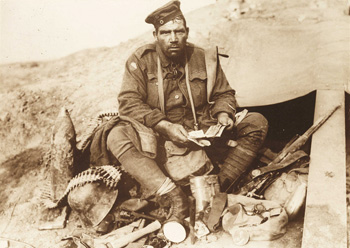
For Remembrance Day, we’ve chosen a series of images of Australian servicemen photographed during the First World War.
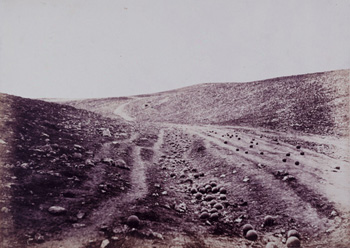
Today we remember those that died on the battlegrounds of the First and Second World Wars, and all members of the armed forces who have ever given their lives in the line of duty.
In the second of a series, Colin Harding investigates the role celluloid played in the invention of ‘rollable’ film.

Bonfire Night is one of the most popular and enduring British traditions, so it’s no surprise to find this event represented in plenty of photographs throughout our collection.
In the first of a series of three posts, Colin Harding looks at the development of celluloid and how early photographers experimented with it.
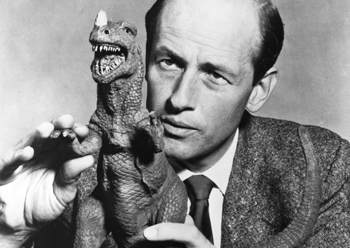
Since May 2011, we have been exhibiting selections from Ray Harryhausen’s personal collection outside our research centre. Today we reveal the final thematic display: Dinosaurs.
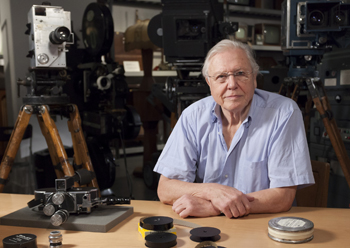
Special guests always spark interest among staff and visitors alike. When the guest happened to be Sir David Attenborough, it’s fair to say excitement levels at the museum reached fever pitch.
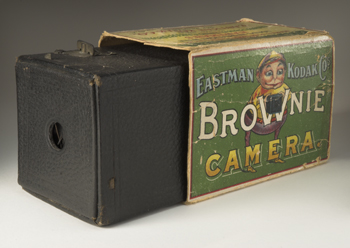
Simple design, mass production and lifelong customers—it’s easy to see why George Eastman was determined to bring photography within the reach of everyone with the Brownie camera.
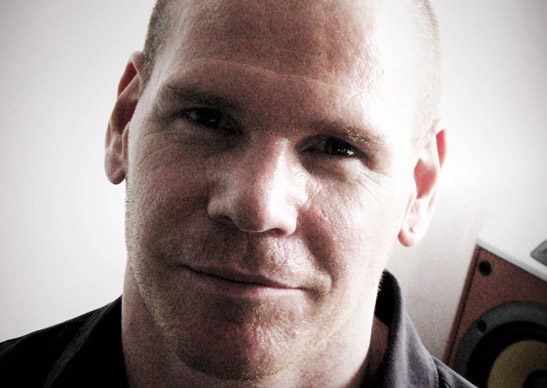
Ahead of Neil Thompson’s visit to the museum, we caught up over email to find out a little more about what makes him tick.
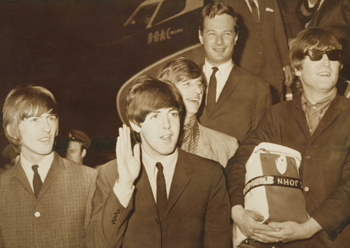
Fifty years ago today, on 5 October 1962, McCartney, Lennon, Starr and Harrison burst onto the UK music scene with ‘Love Me Do’.