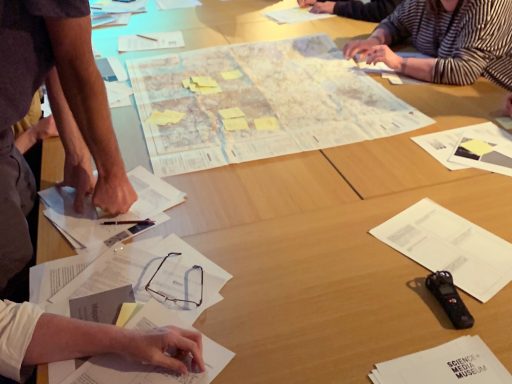
Following our Gallery Listening Sessions, Dr Jonathan Stafford writes about some different approaches to mapping sound.
Following our Gallery Listening Sessions, Dr Jonathan Stafford writes about some different approaches to mapping sound.
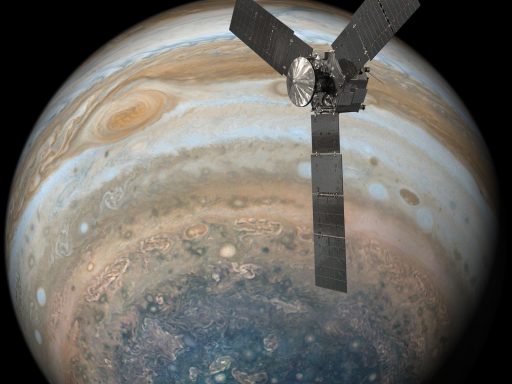
In this blog post co-authored with the Juno mission team, Charlotte writes about some of the more unusual discoveries made by NASA’s Juno probe while orbiting Jupiter.
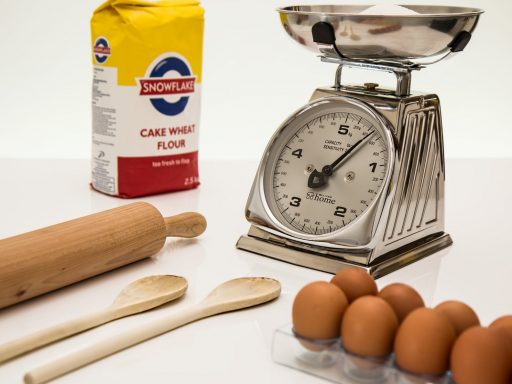
To understand how influencers became so ubiquitous, we must take a trip back in time—to the 1970s, when TV chef Delia Smith became a phenomenon.
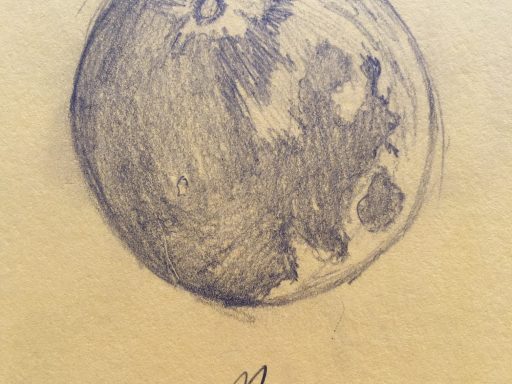
In our exhibition Hello Universe, we invite visitors to have a go at drawing the Moon, just like Galileo did in the 17th century. Our curatorial team have selected a handful of the best drawings—is yours among them?
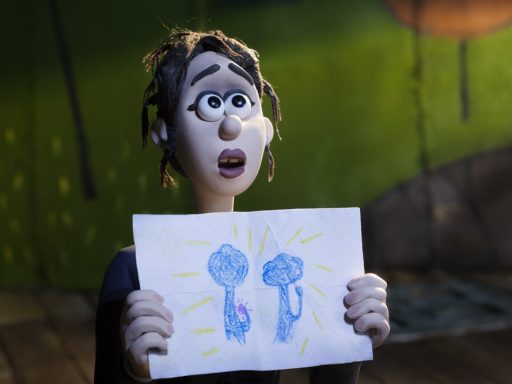
Hot on the heels of our A Shaun the Sheep Movie: Farmageddon half term events, Claire discovers the origins of the film’s intriguing villain, Agent Red.

Claire writes about stepping into antiquity via Professor Rupert Till’s sound archaeology presentation as part of Widescreen Weekend.
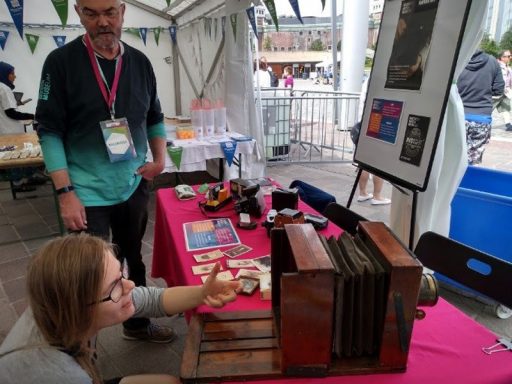
Have you ever wanted to take museum objects out of their cases and try them for yourself? Our new Handling Collection has been created so you can do just that.
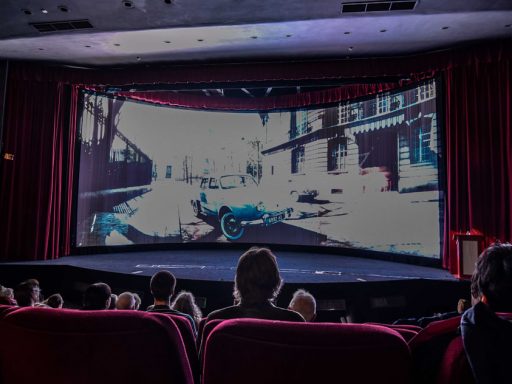
This year’s celebration of the most sensual cinema offered more immersive experiences to more people than ever before, reports Roger Highfield, Science Director.
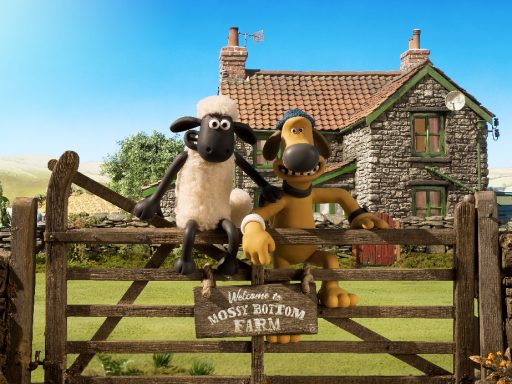
As we get ready for our Shaun the Sheep-themed half term, Shawana delves into the history of one of the nation’s favourite animated characters.
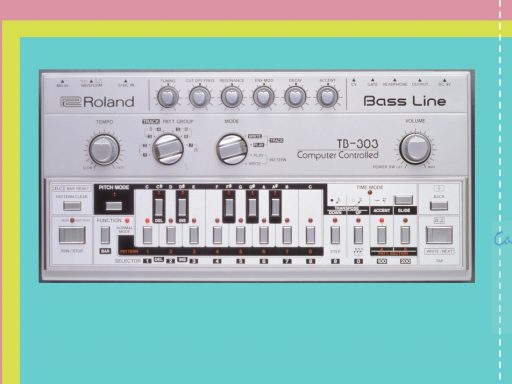
How do museums share sound technologies with their visitors? Edward Wilson-Stephens talks about creating a unique DJ set.
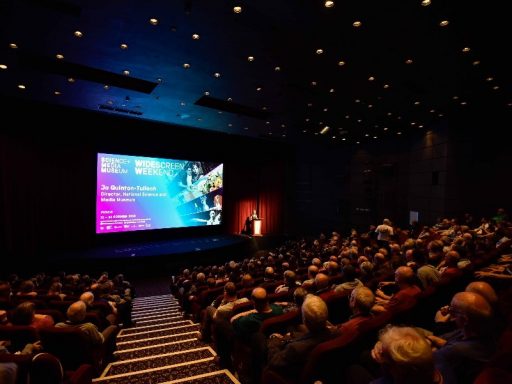
With Widescreen Weekend over for another year, Laura goes behind the scenes with the festival team to find out how it’s all put together.
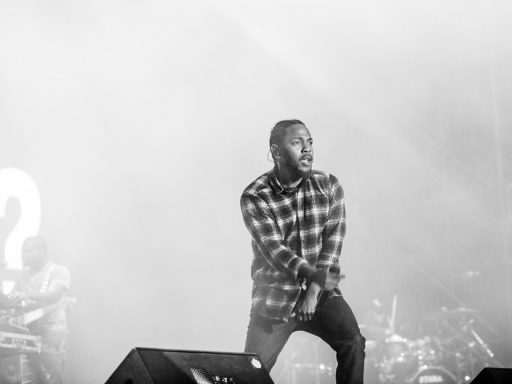
Claire takes a deep dive into the music of Black Panther and discovers how Kendrick Lamar’s soundtrack helped bring Wakanda to life.