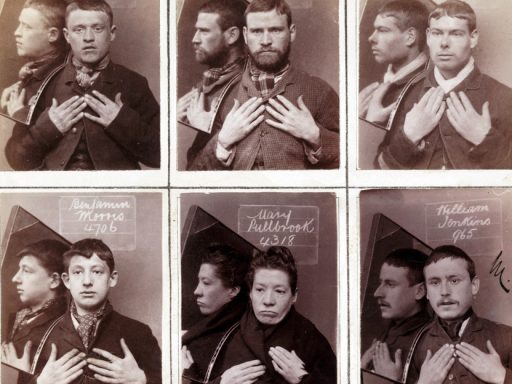
Surveillance, a topic explored in detail in our exhibition Never Alone, is often perceived as a deterrent to crime—but are we seeing the full picture?
Surveillance, a topic explored in detail in our exhibition Never Alone, is often perceived as a deterrent to crime—but are we seeing the full picture?
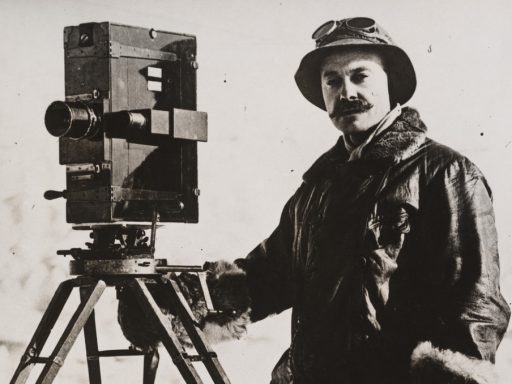
Discover the story of the camera used to capture Robert Falcon Scott’s expedition to the South Pole.
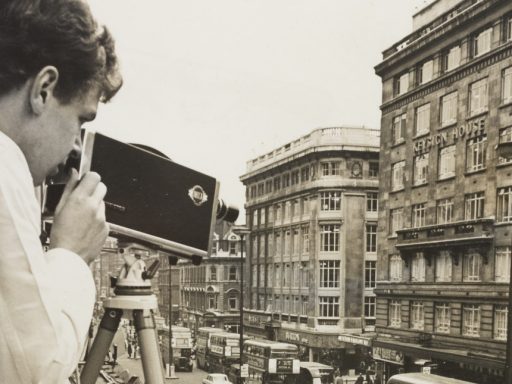
In the first instalment of a 3-part review, volunteer blogger Yusef takes a close look at the themes of surveillance in our exhibition Never Alone.
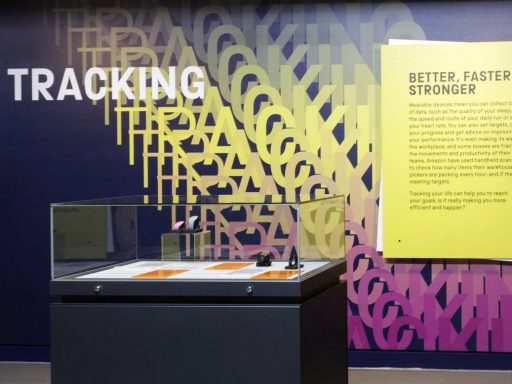
Inspired by our exhibition Never Alone, volunteer blogger James Wilson looks at how 20th-century ideas about workers’ productivity have led to today’s data-driven culture.
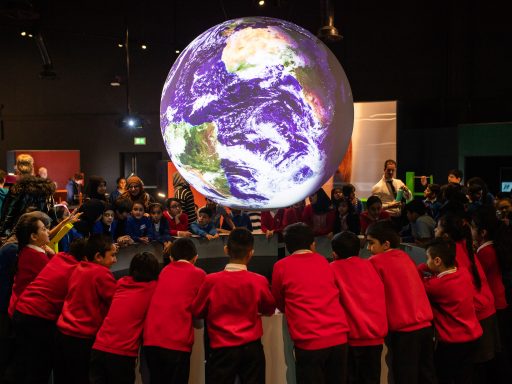
On 6 December, we welcomed 250 Bradford schoolchildren to the museum for a very special event all about the wonders of physics.
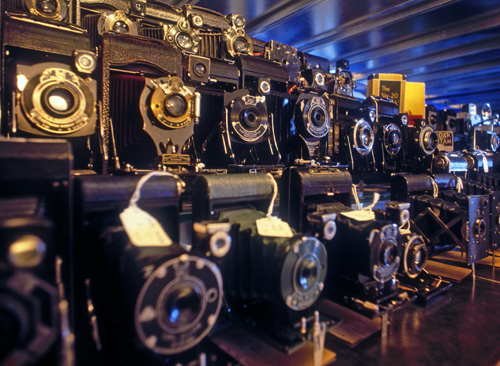
As a way of saying ‘thank you’ for helping fund objects, exhibitions and galleries, we’re offering a special treat for National Lottery ticket holders this December.
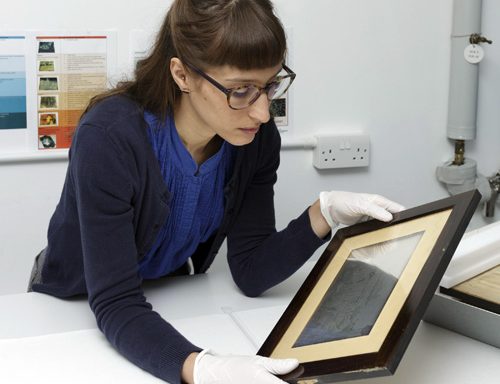
Go behind the scenes and find out how we care for our collection. Here, conservator Vanessa Torres explains how the Ellis collection of daguerreotypes was re-housed.
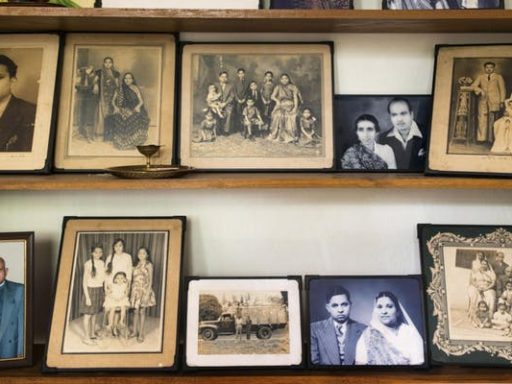
Next year we will open an exhibition exploring how different communities in Bradford have recorded their histories, created cultural networks and made political and social change.
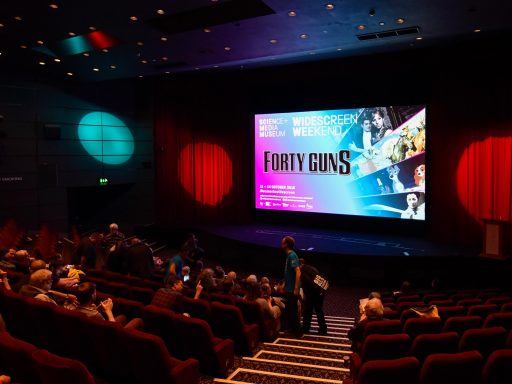
This October saw the 22nd edition of our film festival, Widescreen Weekend. Every year, hundreds of film fans from all over the world flock to the museum to indulge in big, bold cinema experiences.
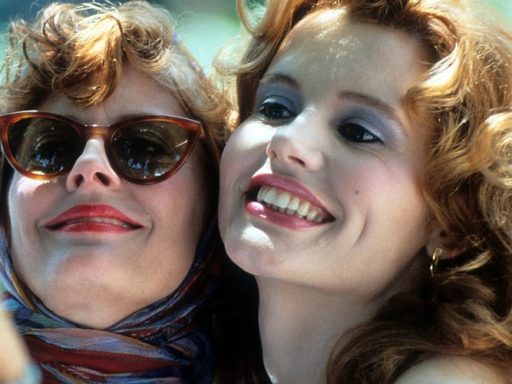
Our special guests’ fantastic introduction to iconic feminist roadtrip movie Thelma & Louise was a highlight of Widescreen Weekend 2018.

This half term we’re celebrating the CBBC show The Dengineers—and in particular one den that was built here in Bradford over the summer.

Volunteer blogger Laura Sagar takes a look at how the use of point-of-view cameras in sport can enhance and contribute to the spectator’s experience.