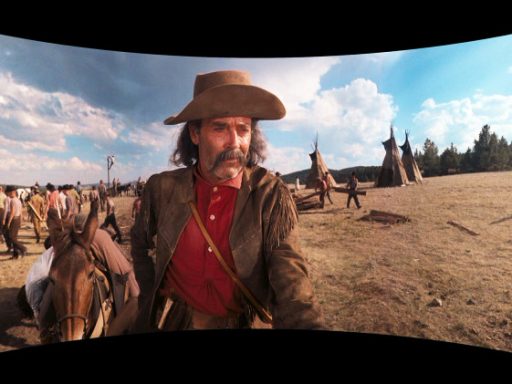
With the full programme for this year’s Widescreen Weekend film festival announced today, we consider the significance of widescreen cinema, and look at why it’s important that we restore films.
With the full programme for this year’s Widescreen Weekend film festival announced today, we consider the significance of widescreen cinema, and look at why it’s important that we restore films.
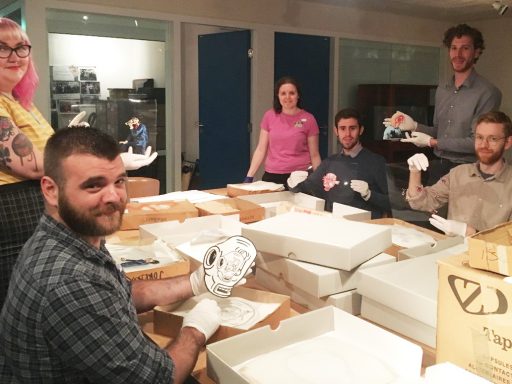
Not only have our Collection Care Volunteers been improving the care of our objects and archives—they’ve also had an opportunity to inspect some of the museum’s most fascinating collections.
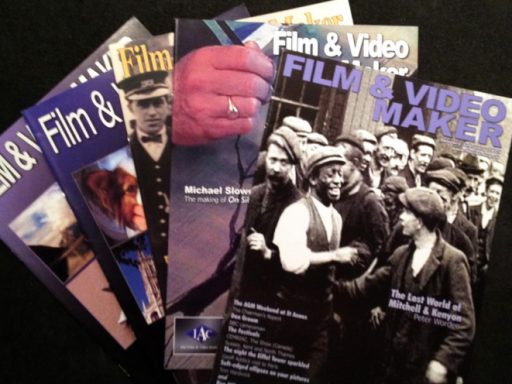
As well as our galleries, exhibitions and objects, the museum is home to an amazing library. In this post, Sarah examines some of the books and journals in our collection that deal with amateur film-making.
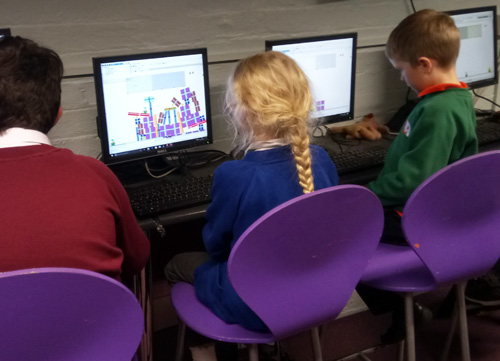
Your child loves gaming, but how do you channel that into creativity and learning? Impact Gamers’ Adam Syrop, who has won a BAFTA for his work with young people, looks at the 10 most common battles—and how to overcome them.
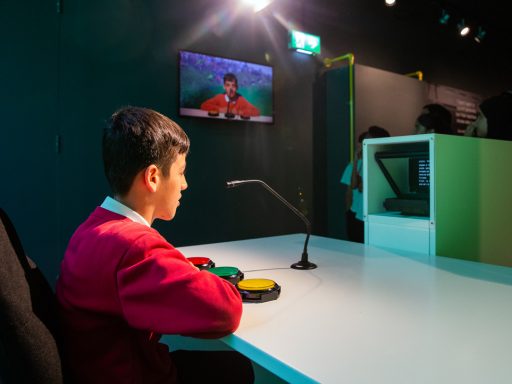
Our fantastic summer family exhibition, Action Replay, opens this week. Students from Lapage Primary were the first to check it out. Here’s what they thought…
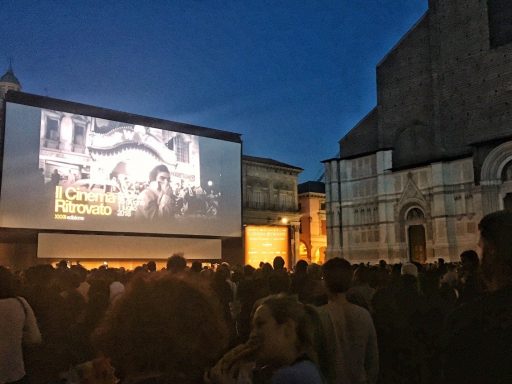
Il Cinema Ritrovato is an Italian film festival dedicated to rediscovered cinema. Rebecca, our festival coordinator, writes about attending this celebration of archive film for the first time.

In the first of a new series, Collections Assistant Kendra Bean delves into our collection in search of female trailblazers in science, technology, engineering and maths. First up: actress and inventor Hedy Lamarr.
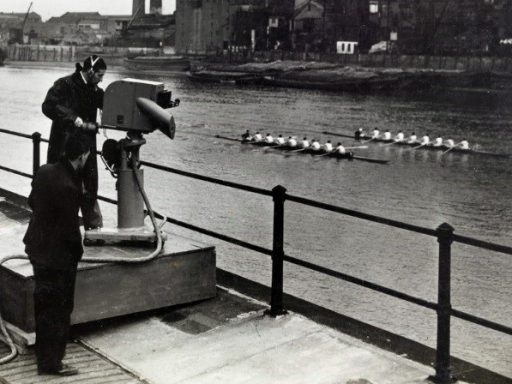
Curator Toni Booth digs into our archives to examine early film and television of one of Britain’s most iconic sporting events: the Oxford/Cambridge Boat Race.
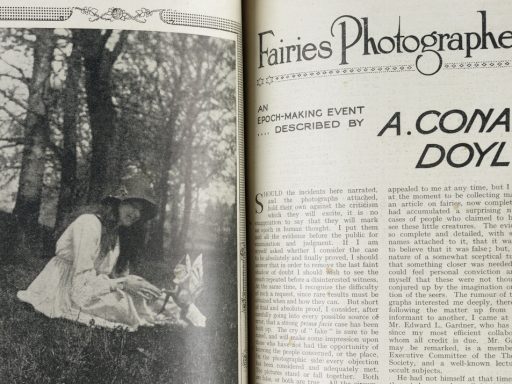
Exciting new items are always being brought into the museum’s collection. Here, Sarah takes a look at the Marjorie Curtis Collection and its links with the tale of the Cottingley Fairies.
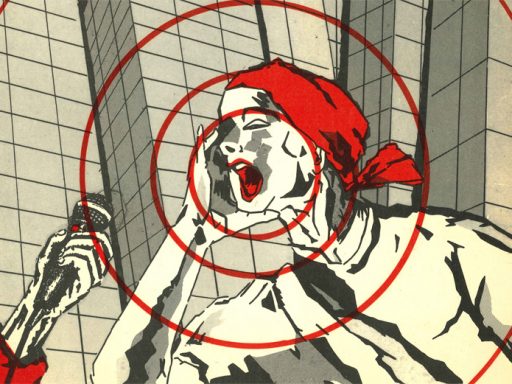
Placement student Elaine Rhodes, from the University of York, writes about her research into Bradford pirate radio.
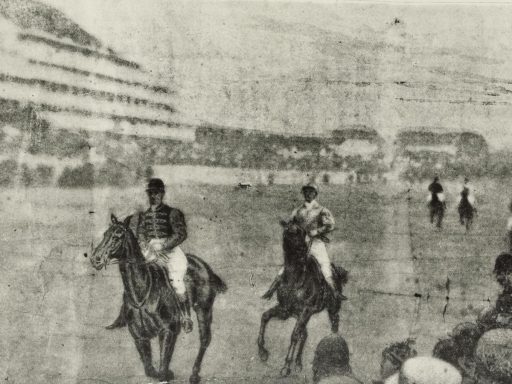
Robert Paul’s film of the 1896 Prince’s Derby can be considered one of the earliest examples of newsreel footage. Ahead of this year’s Derby on 2 June, curator Toni Booth takes a closer look.
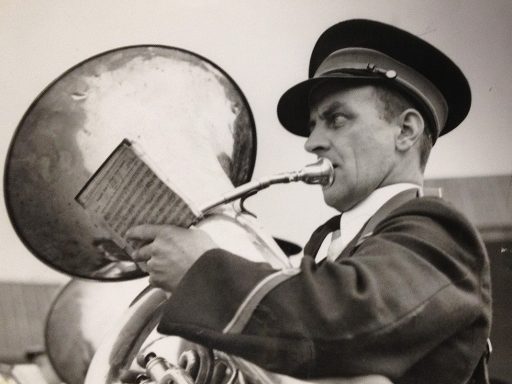
Whit Friday is an important date for brass bands all over the country. To celebrate, here’s a look at images of brass bands in our archives.