
Autumn is well and truly upon us. Before the first snow falls, let’s take time to enjoy the auburn leaves and bright, crisp October mornings.
Autumn is well and truly upon us. Before the first snow falls, let’s take time to enjoy the auburn leaves and bright, crisp October mornings.

This week sees the release of a book co-authored by Brian May (yes, that one) about an unusual series of stereo photographs featuring hell, skeletons and demons all aglow.
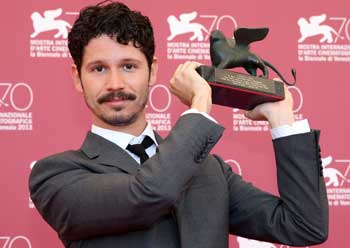
Gabe Klinger’s feature-length documentary about the friendship between two acclaimed directors is coming to Bradford.
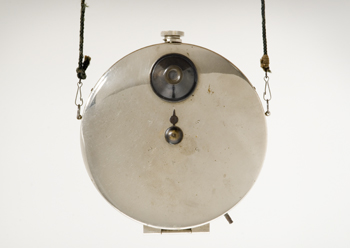
Victorian song sheets provide a fascinating glimpse into contemporary attitudes to photography, such as this response to the new instantaneous hidden cameras.
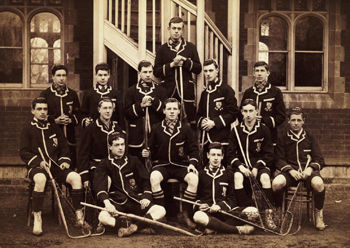
In the penultimate post in our series showing you how to date your old family photographs using physical clues, Colin Harding offers some tips on how to identify cabinet cards.
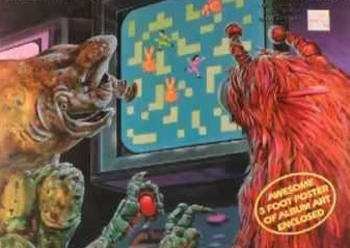
Songs about videogames were a unique craze in the late 1970s and early 80s, inspired by the increasing popularity of gaming.
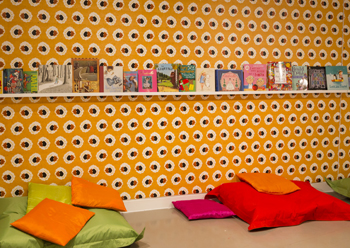
Writer and children’s literature expert Elly McCausland investigates how writers, producers and directors turn our favourite children’s books into films.
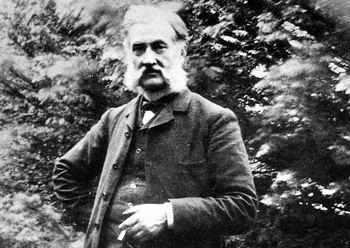
Louis Le Prince was the first person to create moving pictures—but he mysteriously disappeared in 1890, and his fate is still unknown.
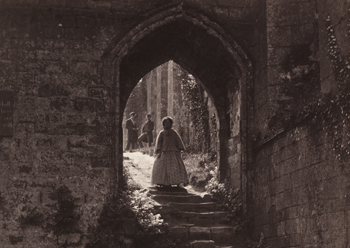
Our research centre isn’t just for visitors interested in photography, cinema, TV and the internet—we recently welcomed a researcher whose enquiries were of an entirely architectural nature…
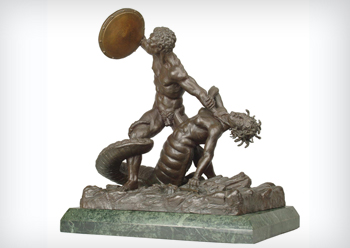
Phil Boot, collection manager for the Ray Harryhausen Project, explores why Medusa is one of the most recognisable characters in model animation cinema history.
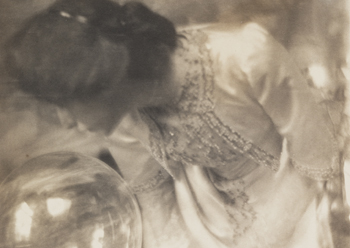
Thomas Galifot from the Musée d’Orsay recently visited our archives to research female photographers from 1839–1945 for a Paris exhibition.
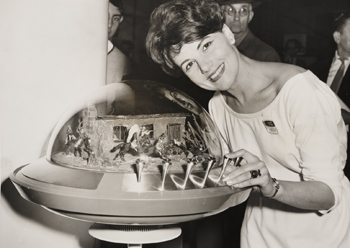
Iain Logie Baird looks through our collection to find out what it can tell us about past predictions of the future of television, and what those predictions might mean now.