
This week sees the release of a book co-authored by Brian May (yes, that one) about an unusual series of stereo photographs featuring hell, skeletons and demons all aglow.
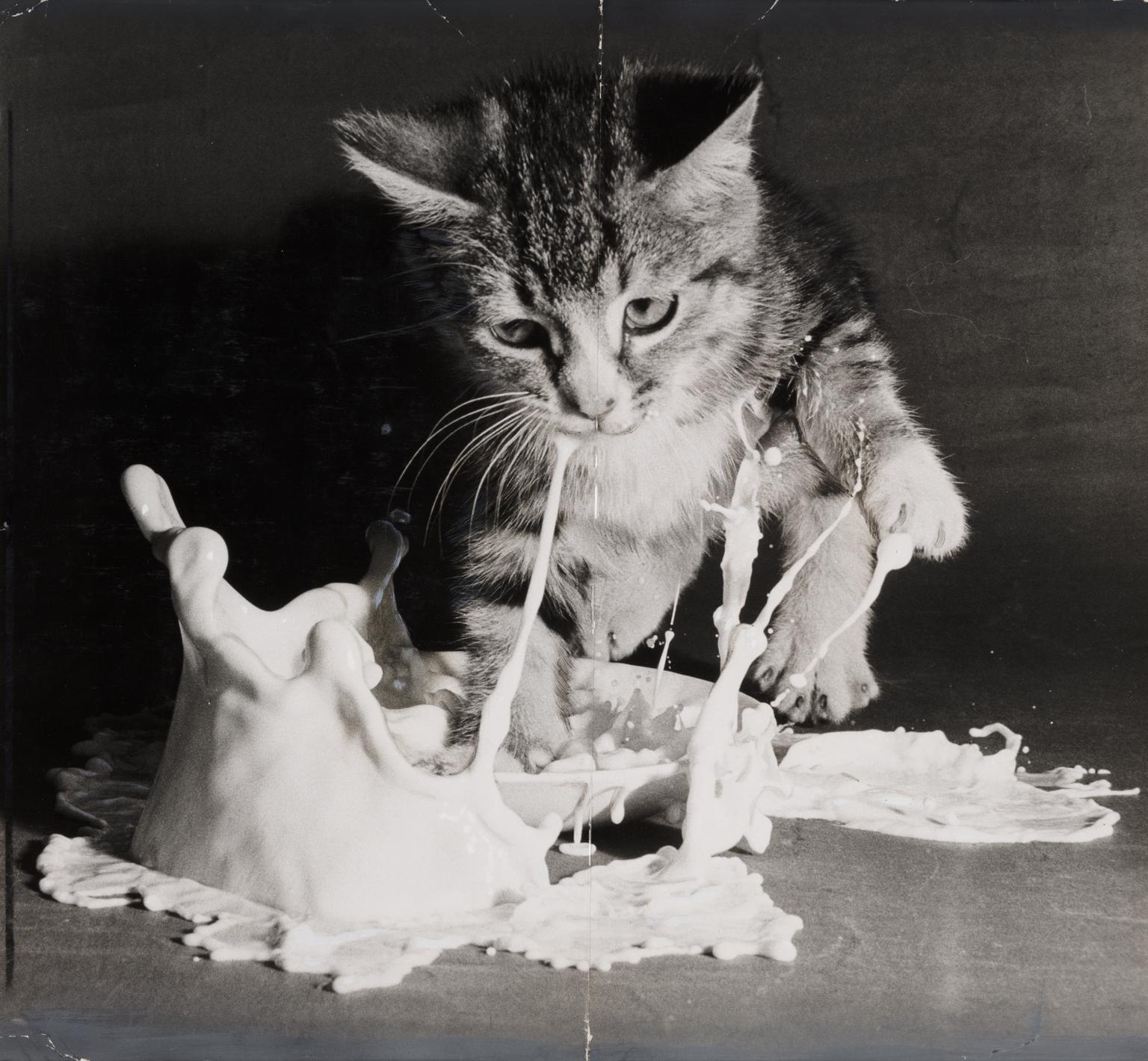
From the very first photographic images to the work of contemporary photographers, photography is one of our major areas of expertise and is represented throughout our collection.
This week sees the release of a book co-authored by Brian May (yes, that one) about an unusual series of stereo photographs featuring hell, skeletons and demons all aglow.
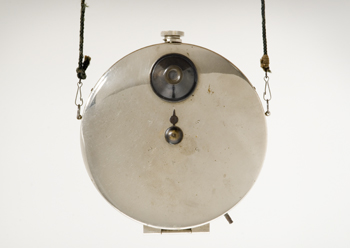
Victorian song sheets provide a fascinating glimpse into contemporary attitudes to photography, such as this response to the new instantaneous hidden cameras.
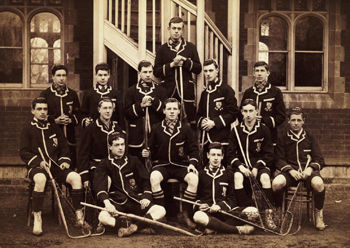
In the penultimate post in our series showing you how to date your old family photographs using physical clues, Colin Harding offers some tips on how to identify cabinet cards.
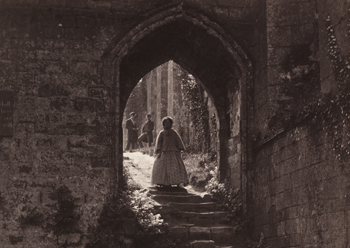
Our research centre isn’t just for visitors interested in photography, cinema, TV and the internet—we recently welcomed a researcher whose enquiries were of an entirely architectural nature…
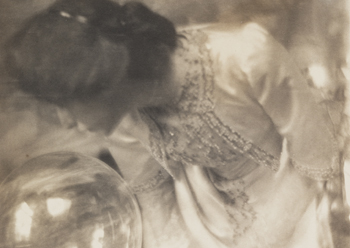
Thomas Galifot from the Musée d’Orsay recently visited our archives to research female photographers from 1839–1945 for a Paris exhibition.
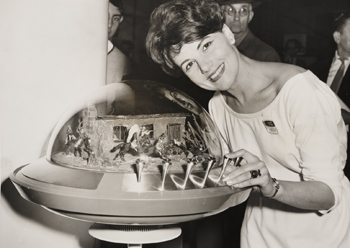
Iain Logie Baird looks through our collection to find out what it can tell us about past predictions of the future of television, and what those predictions might mean now.
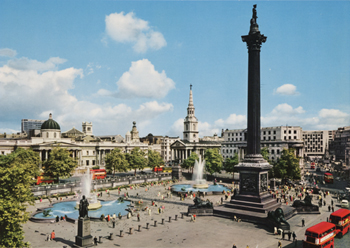
John Hinde was a pioneer of colour photography in Britain. Some of his work has just gone on display at the Photographers’ Gallery’s exhibition Mass Observation: This is Your Photo.

As we congratulate Chris Froome for his Tour de France win, Colin Harding investigates the surprising link between cycling and photography.
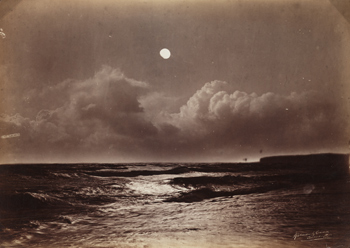
Colin recently visited Vienna to bring back photographs by Roger Fenton that we’d loaned to the Leopold Museum for their ‘Clouds: Fleeting Worlds’ exhibition.
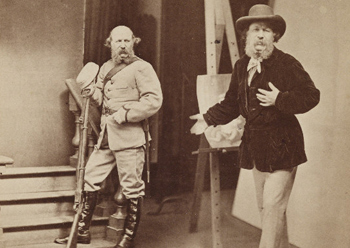
This year is the bicentenary of the birth of Rejlander, the flamboyant and mysterious photographer who pioneered the painstaking technique of combination printing.
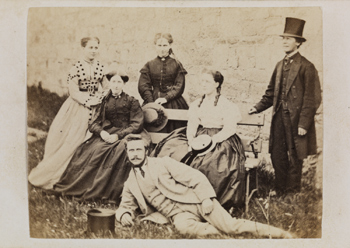
In our latest post about dating your old family photographs, Colin Harding shows you how to identify cartes de visite—an ubiquitous collectable in the 19th century.
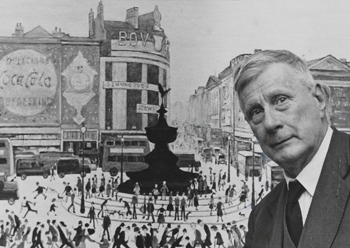
As Tate Britain prepares to open a new exhibition of L.S. Lowry’s industrial landscapes, we look at scenes of northern urban life in our collection.