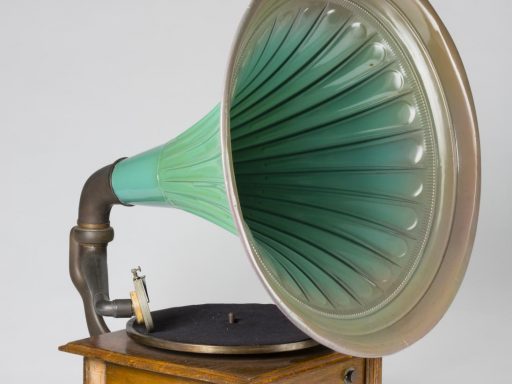
Museums are spaces for listening as well as looking. Discover the story behind our new Sound Technologies Collection, and find out how you can get involved with our forthcoming Gallery Listening Sessions.
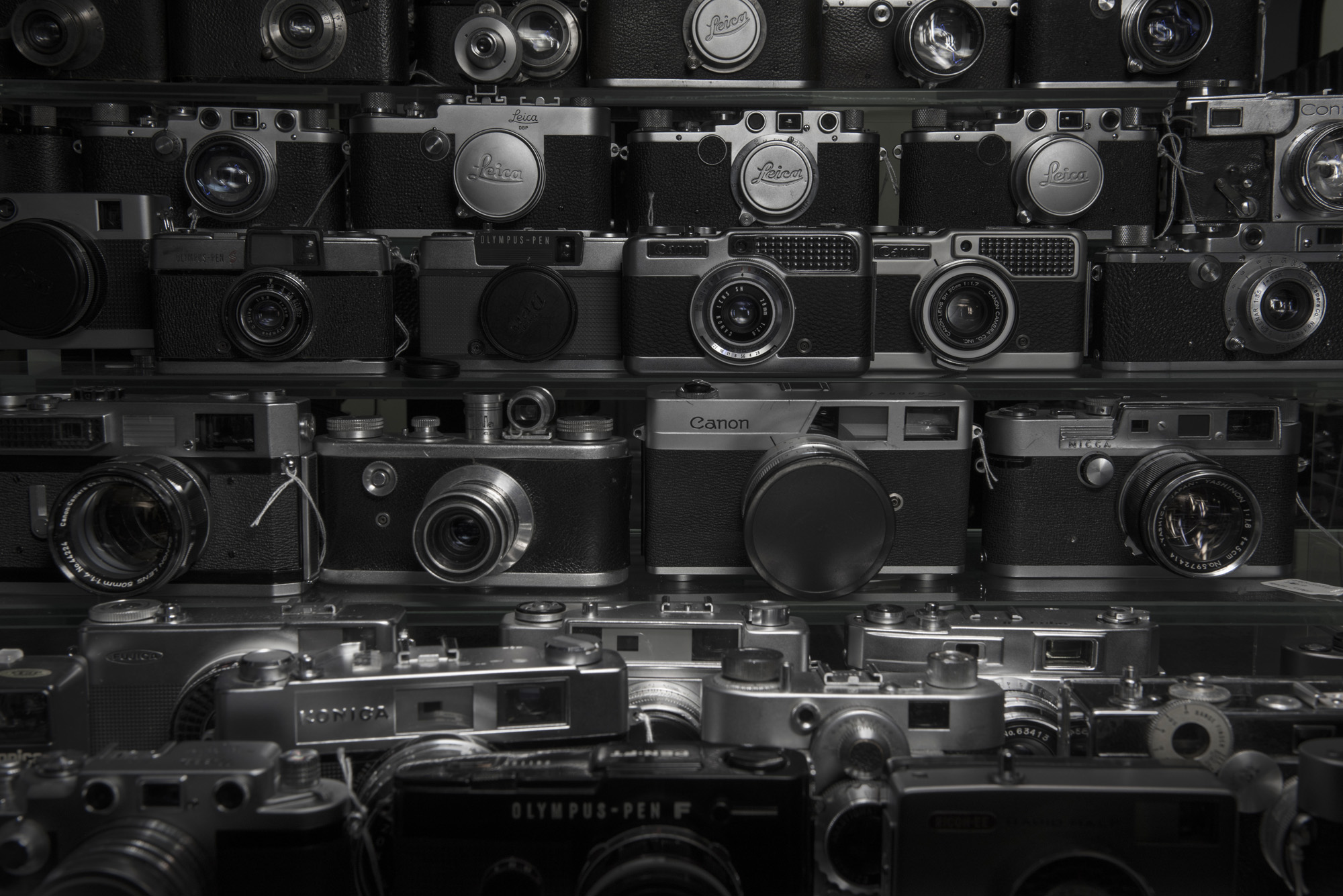
We’re home to over three million items of historical and cultural significance. Our world-class collection encompasses iconic objects and remarkable archives in the areas of photography, cinematography, television, sound and new media. Peek behind the scenes and discover some hidden treasures…
Museums are spaces for listening as well as looking. Discover the story behind our new Sound Technologies Collection, and find out how you can get involved with our forthcoming Gallery Listening Sessions.

In a second blog post about how we care for our collection, conservator Vanessa Torres looks at how photographs are prepared for travel across the world.
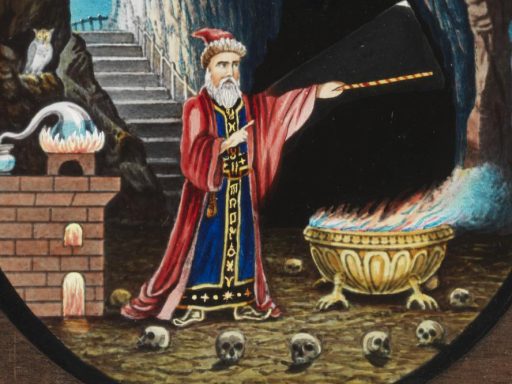
You might not realise it, but early British cinema and magic are very closely linked. Magicians used the new moving pictures as part of their shows; film-makers used the popularity of magicians to create appealing films.
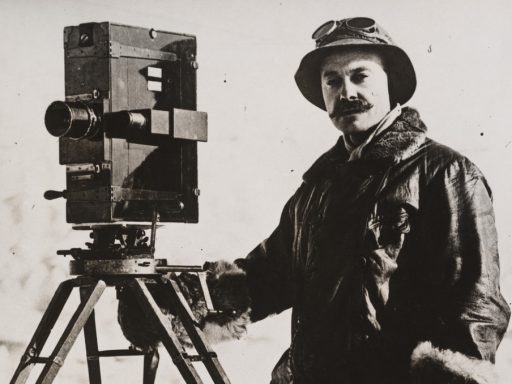
Discover the story of the camera used to capture Robert Falcon Scott’s expedition to the South Pole.
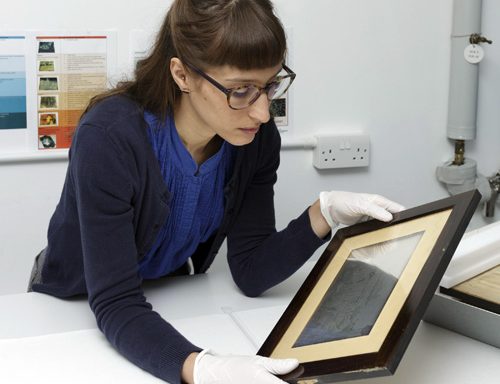
Go behind the scenes and find out how we care for our collection. Here, conservator Vanessa Torres explains how the Ellis collection of daguerreotypes was re-housed.
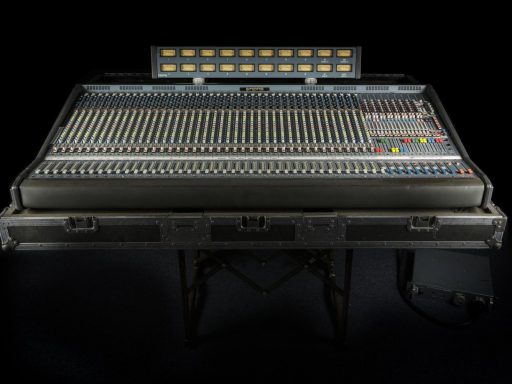
Annie introduces our latest acquisition: the Midas XL3 mixing console, which has toured the UK with some of the world’s biggest bands and artists.
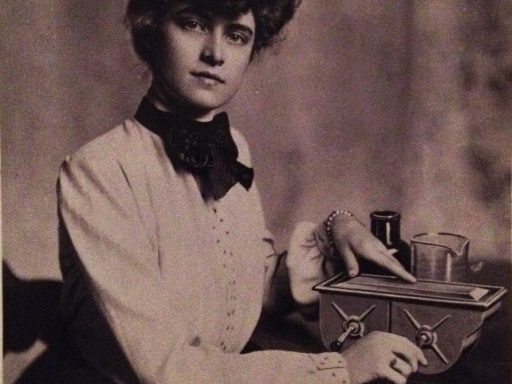
Visiting researcher Kari Nixon writes about her work with photography journals and other material from our Kodak Collection.
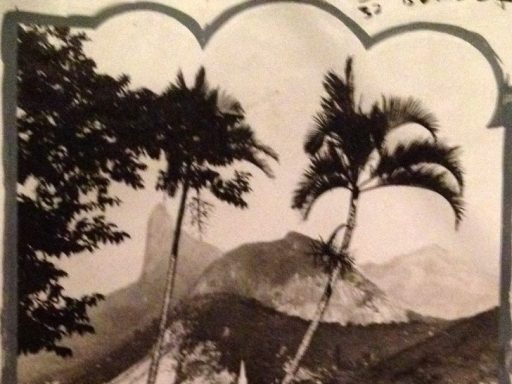
Visiting researcher Ana Maria Mauad writes about her work with photographs from Brazil, Argentina, Chile and Uruguay in the Daily Herald archive.
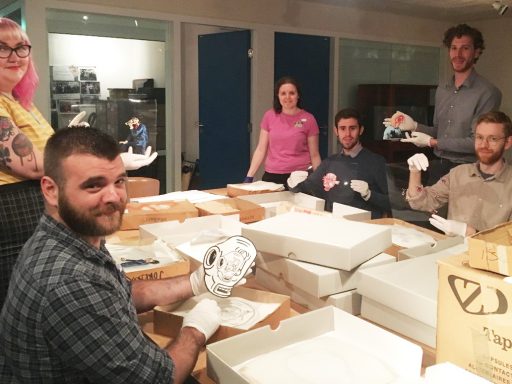
Not only have our Collection Care Volunteers been improving the care of our objects and archives—they’ve also had an opportunity to inspect some of the museum’s most fascinating collections.
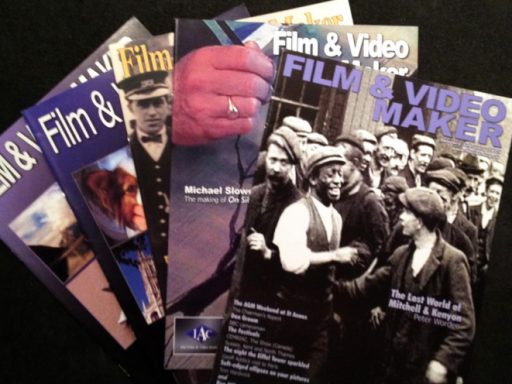
As well as our galleries, exhibitions and objects, the museum is home to an amazing library. In this post, Sarah examines some of the books and journals in our collection that deal with amateur film-making.
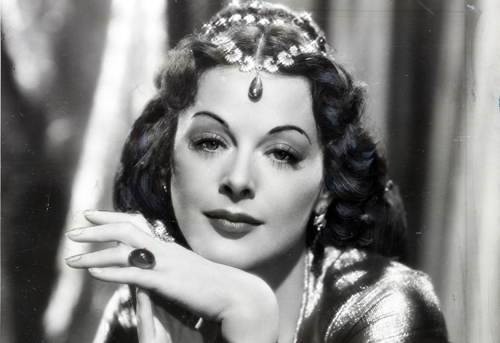
In the first of a new series, Collections Assistant Kendra Bean delves into our collection in search of female trailblazers in science, technology, engineering and maths. First up: actress and inventor Hedy Lamarr.
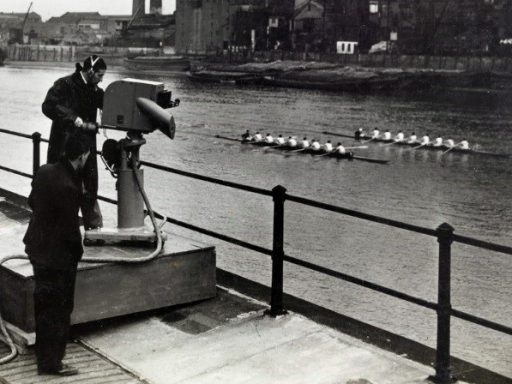
Curator Toni Booth digs into our archives to examine early film and television of one of Britain’s most iconic sporting events: the Oxford/Cambridge Boat Race.