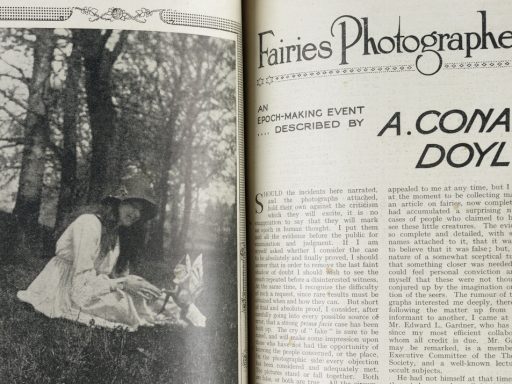
Exciting new items are always being brought into the museum’s collection. Here, Sarah takes a look at the Marjorie Curtis Collection and its links with the tale of the Cottingley Fairies.
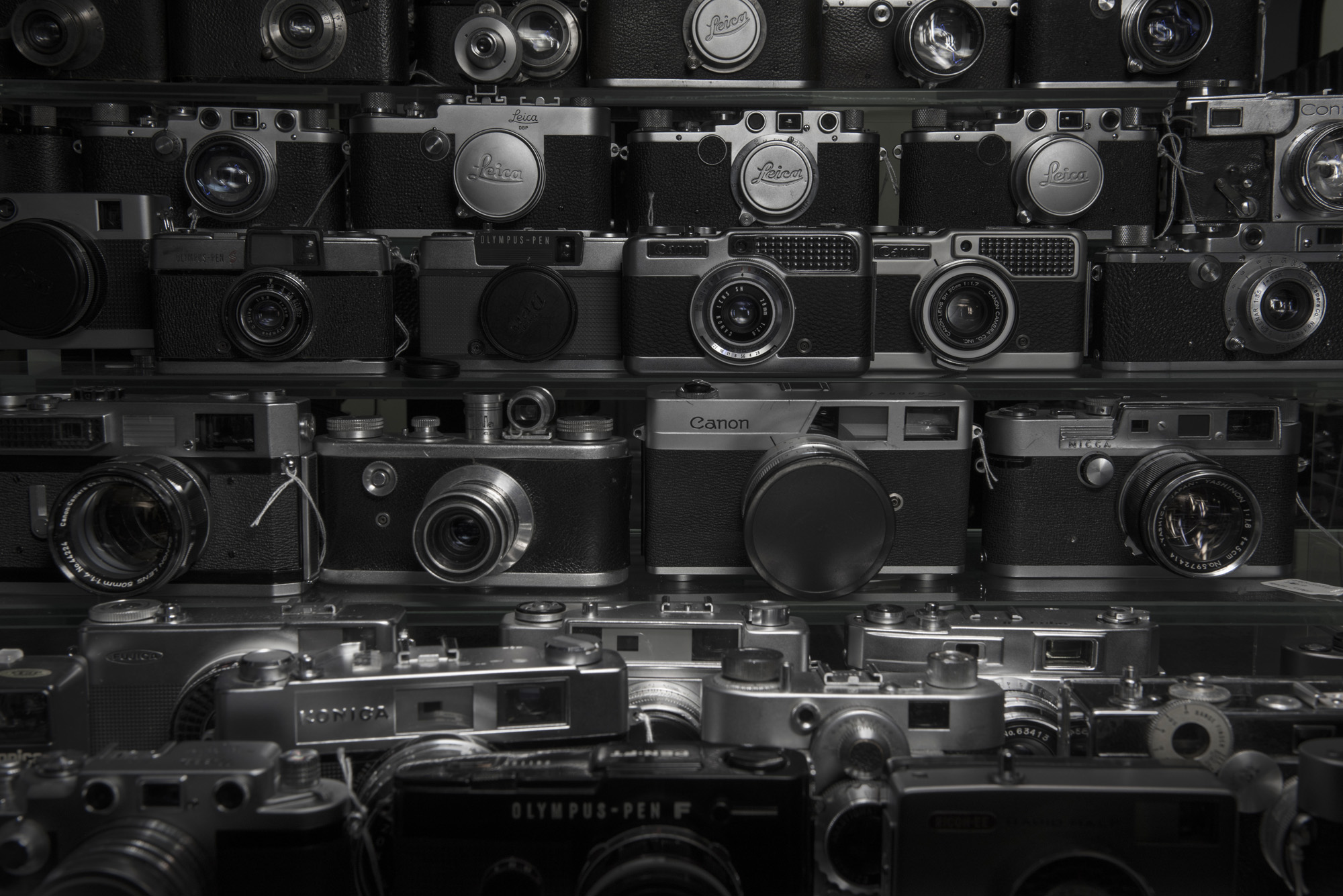
We’re home to over three million items of historical and cultural significance. Our world-class collection encompasses iconic objects and remarkable archives in the areas of photography, cinematography, television, sound and new media. Peek behind the scenes and discover some hidden treasures…
Exciting new items are always being brought into the museum’s collection. Here, Sarah takes a look at the Marjorie Curtis Collection and its links with the tale of the Cottingley Fairies.
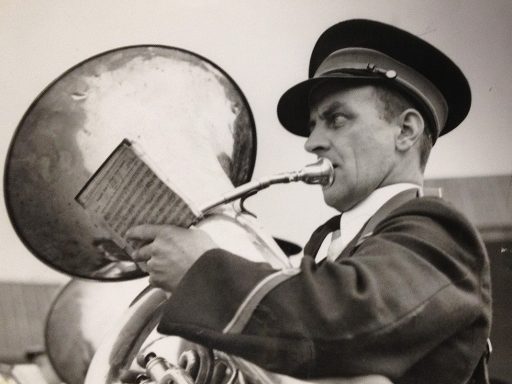
Whit Friday is an important date for brass bands all over the country. To celebrate, here’s a look at images of brass bands in our archives.

The Daily Herald archive is categorised alphabetically by subject. Take a look at some of the intriguing photographs and stories found in the ‘Adams’ section…
In the first of a series of blog posts, we celebrate the exciting ways that visitors use our collections, whether that be for research, general interest, or as inspiration for artistic projects.
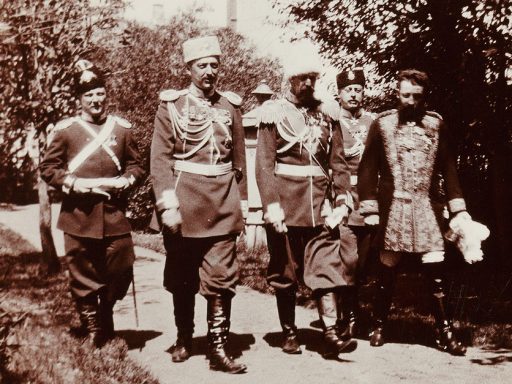
Kendra, our Collections Assistant, shares an exciting discovery from the museum’s print archive: snapshots from the coronation of Tsar Nicholas II in May 1896.
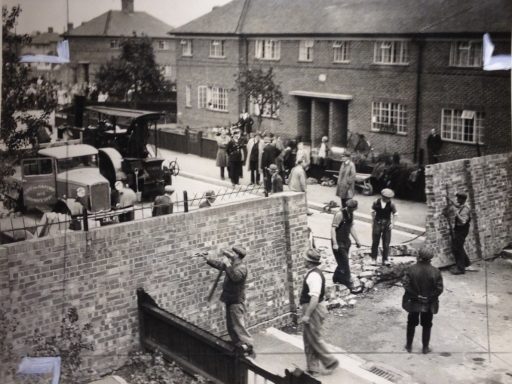
Collection tours at the museum can lead to surprising discoveries—as the tale of the Cutteslowe Walls in Oxford proves.
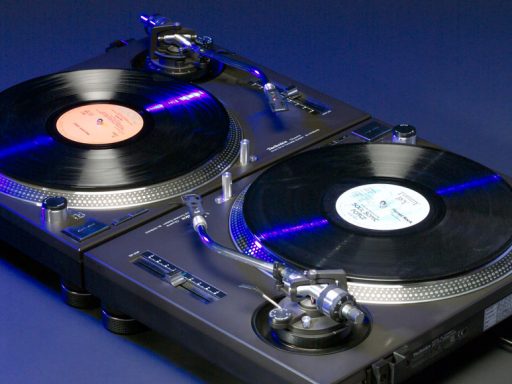
To celebrate Record Store Day, we’ve picked our top 5 record-related favourites from our collection—though they might not all be quite what you’d expect!
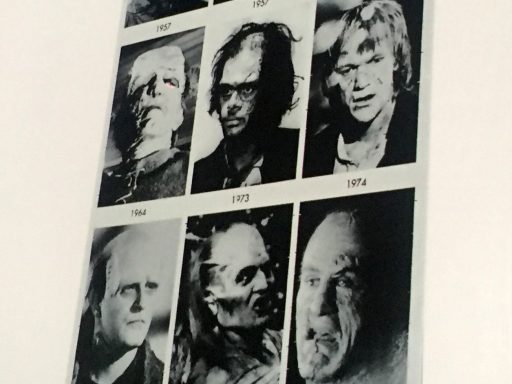
Kathryn Penny recounts a very special Frankenstein-themed event which took film fans from novels to nostril expanders…
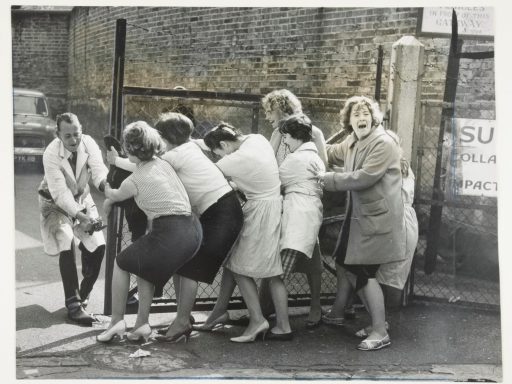
The Daily Herald Archive records political milestones, but also illuminates how the newspaper interpreted these developments.
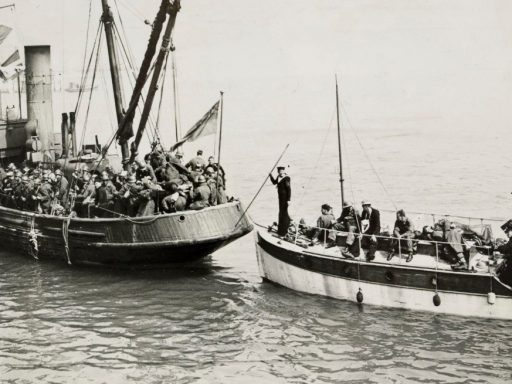
This year’s Widescreen Weekend opened with Christopher Nolan’s Dunkirk, which launched the yearly film festival on Thursday 12 October.
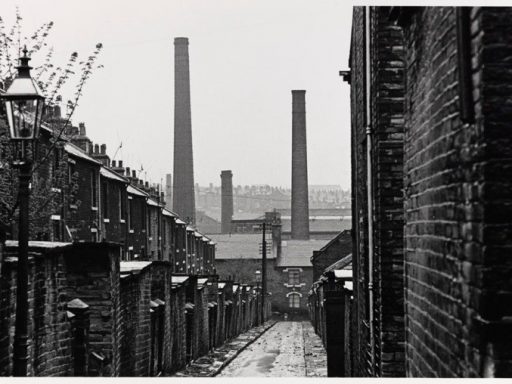
Commissioned by the charity Shelter, Nick Hedges photographed Bradford in 1969–70, documenting the housing crisis of the time with images that capture the links between domestic life and industry.
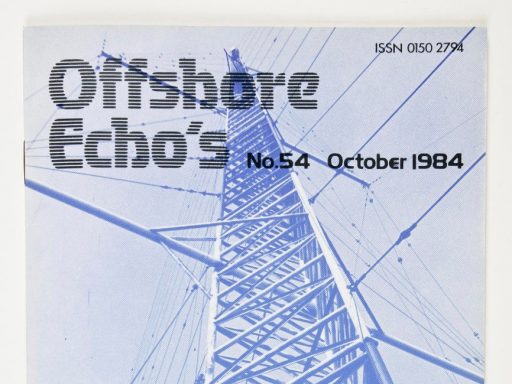
As well as books and journals, our library is home to self-published zines covering community broadcasting and pirate radio.