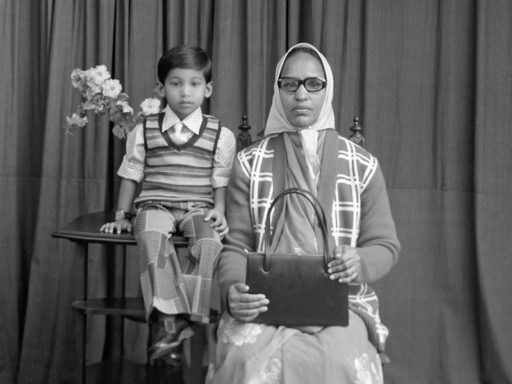
Bradford Museums and Galleries’ John Ashton worked with us to produce a new exhibition about the Belle Vue Studio—one of the best photography stories Bradford has to offer.
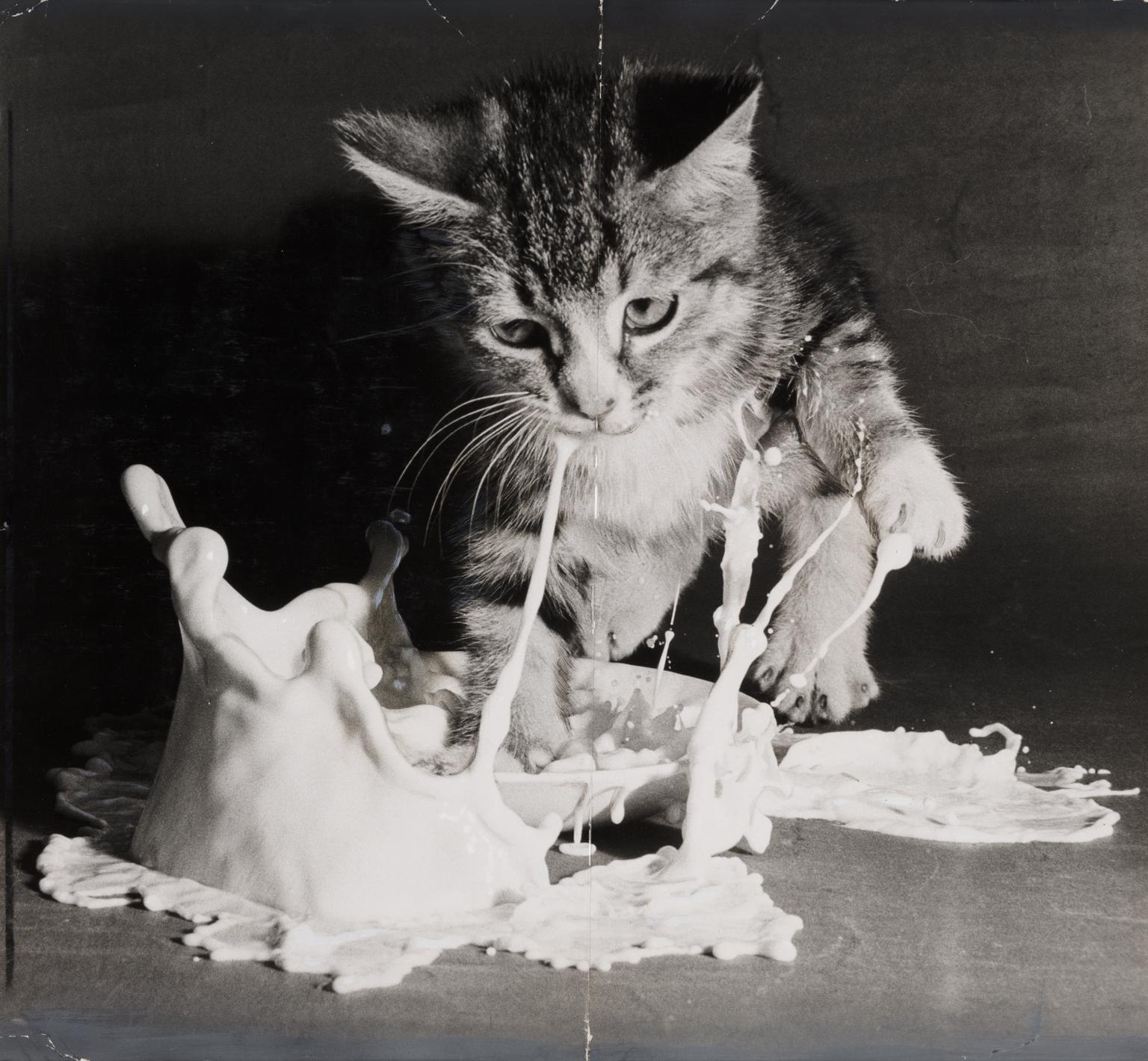
From the very first photographic images to the work of contemporary photographers, photography is one of our major areas of expertise and is represented throughout our collection.
Bradford Museums and Galleries’ John Ashton worked with us to produce a new exhibition about the Belle Vue Studio—one of the best photography stories Bradford has to offer.
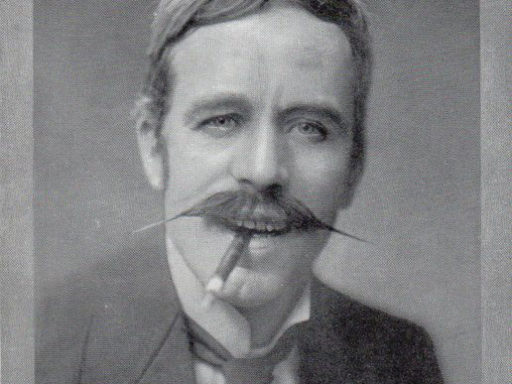
Bradford has been at the heart of the UK’s amateur photography scene since the 1860s. Kate Burnett, Interpretation Developer, writes about the city’s photography clubs and some of their alumni.
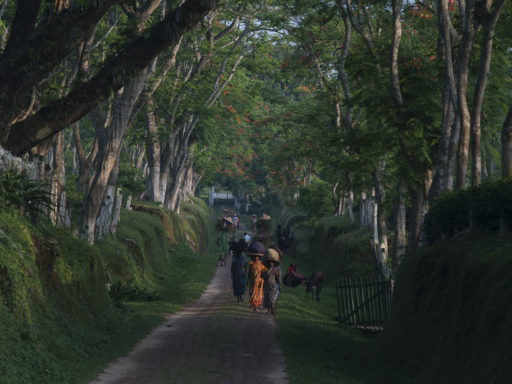
Photographer Tim Smith writes about the story behind the images in his exhibition River of Tea, which explores the links between Bradford and the Sylhet District of Bangladesh created by the early tea trade.
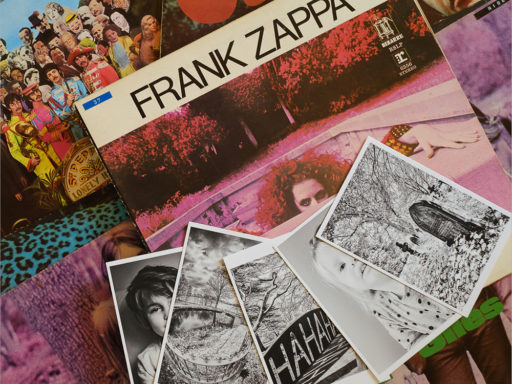
Nigel Hazell LRPS CPAGB, Wakefield Camera Club member and album art enthusiast, shares his infrared photography project, Into the Red.
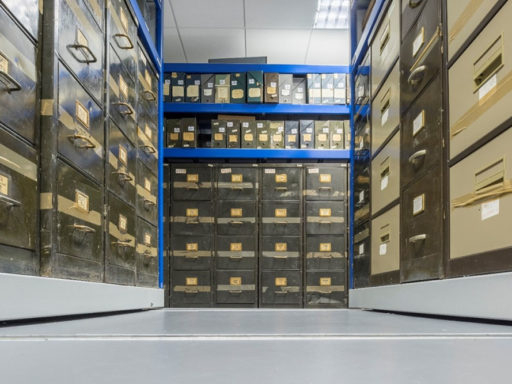
In this post, our Head Curator Geoff Belknap looks at how we approach the challenge of collecting photography, and how we make decisions about what to collect (and what not to collect).
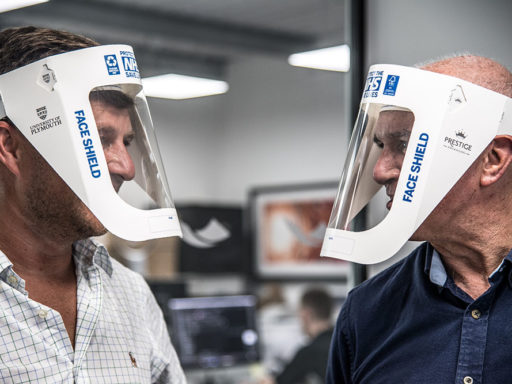
Photographer Jude Palmer discusses the stories behind the images in our new online exhibition, which capture engineers’ responses to Covid-19.
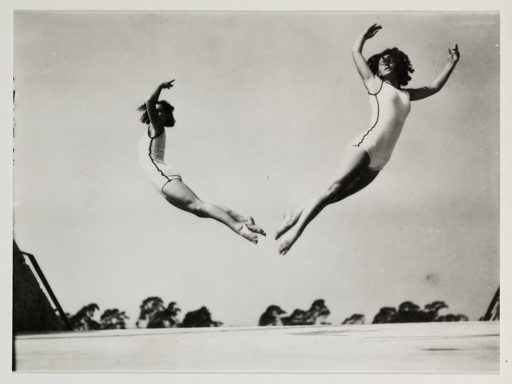
With research showing that many of us have taken up new forms of exercise during lockdown, we’ve searched our photography collection for the best images of exercise, sport and outdoor activities.
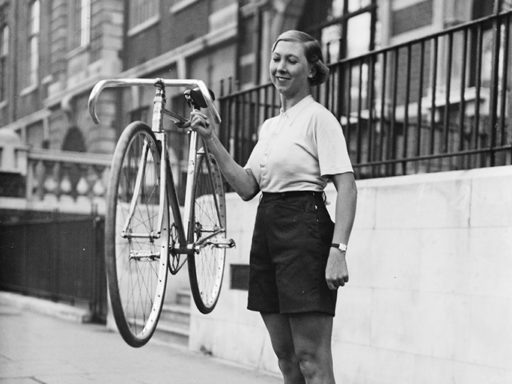
With more and more of us taking up cycling, we’ve delved into our collection to bring you a photographic history of the bicycle.
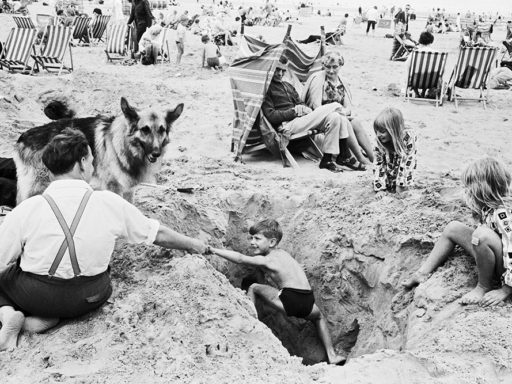
Explore some weird and wonderful views of the British coast with this selection of photographs from the Tony Ray-Jones Archive.
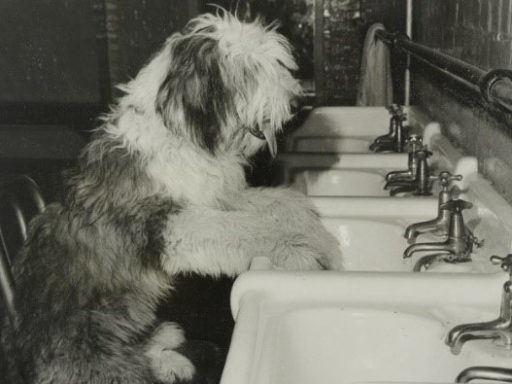
Enjoy a selection of photographs from our collection showing talented canines on film sets and hanging out with human co-stars!
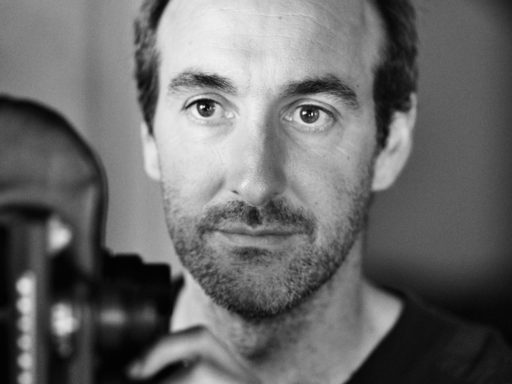
Ted Humble-Smith’s conceptual photographs are on display in our current online exhibition. We asked him to give us the story behind the images.
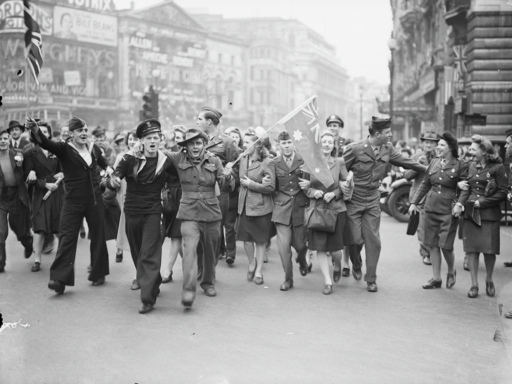
With the 75th anniversary of VE Day taking place this week, we’ve delved into our collection to reveal some fantastic photographs of the victory celebrations in May 1945.