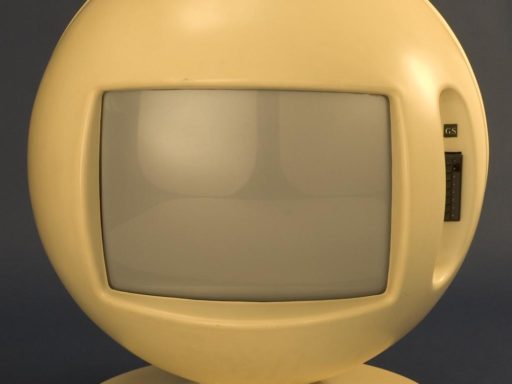
Lewis has returned to our blog after a three-year absence, and to celebrate, he’s picked a selection of his favourite objects from our fantastic TV and broadcasting collections.
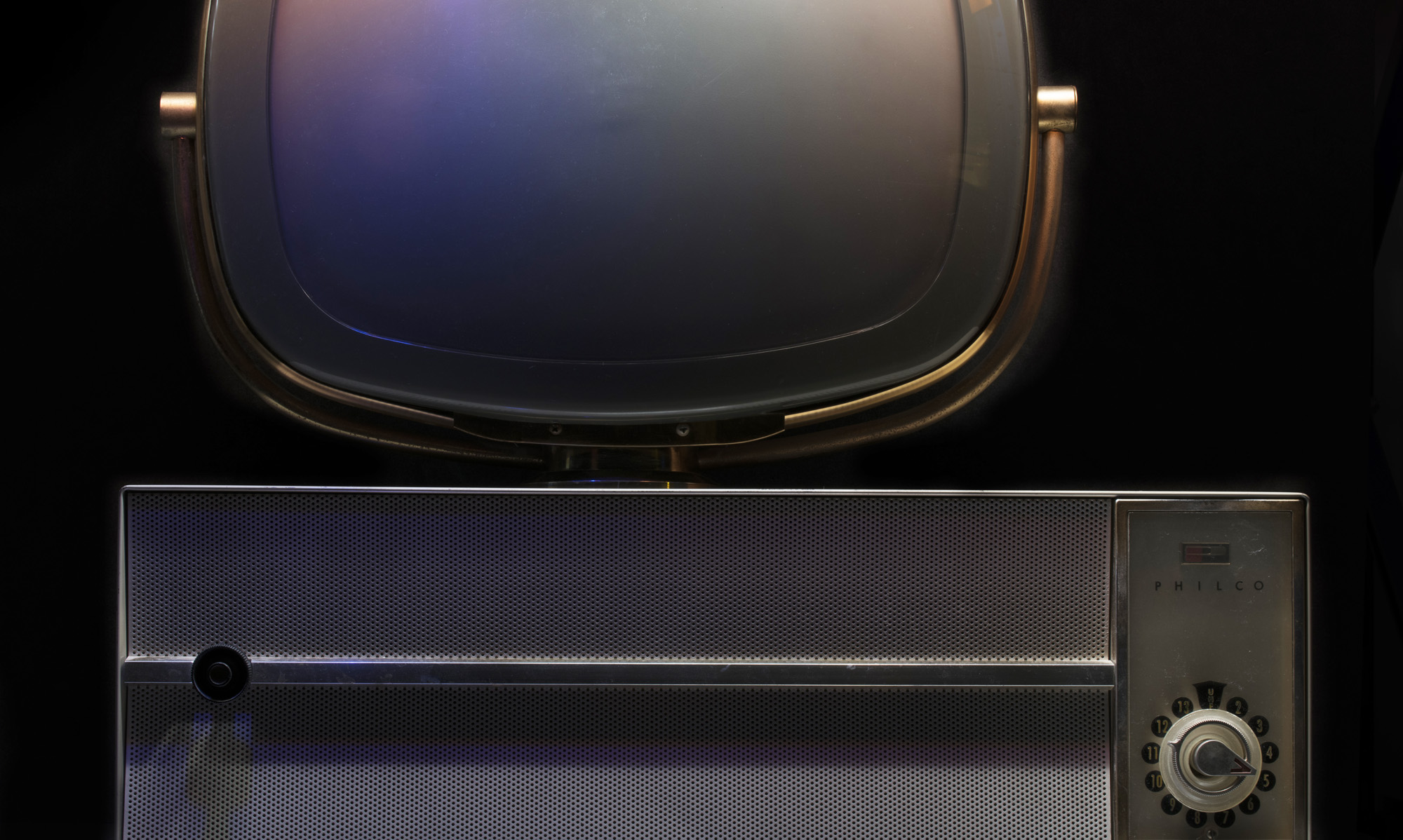
Our collection includes iconic objects from the history of television and radio, and we explore sound and vision technologies through our galleries and exhibitions.
Lewis has returned to our blog after a three-year absence, and to celebrate, he’s picked a selection of his favourite objects from our fantastic TV and broadcasting collections.
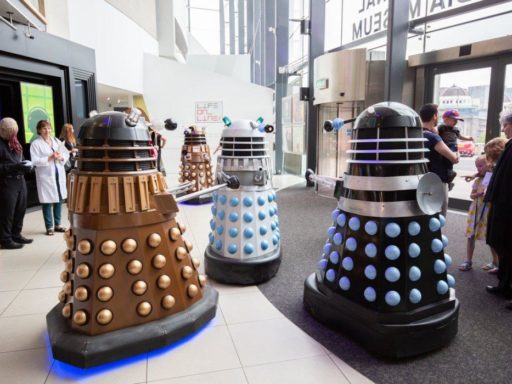
Doctor Who’s Daleks are among the most iconic TV villains of all time. Volunteer blogger Ashleigh takes a look at how their unusual design makes them so memorable.
In recent years, subscription video on demand services—such as Netflix—have seen a huge rise in popularity. Sarah takes a look at some of the latest facts and figures.
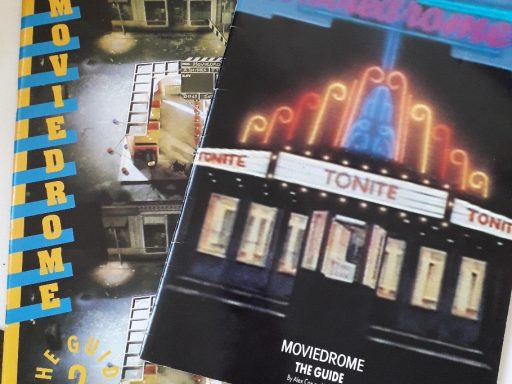
Curator Toni Booth writes about her memories of the BBC series Moviedrome, fronted by film-maker Alex Cox, and looks at what makes a ‘cult film’.
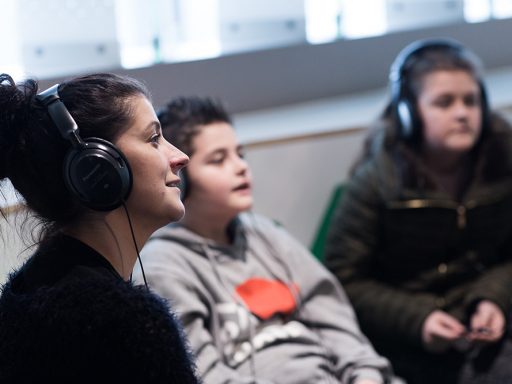
Our doors may be closed (for now), but our amazing collection is always open for all. Here are some of the ways you can explore the museum from the comfort of your home.
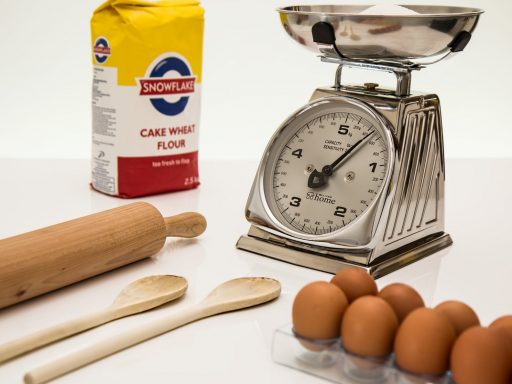
To understand how influencers became so ubiquitous, we must take a trip back in time—to the 1970s, when TV chef Delia Smith became a phenomenon.
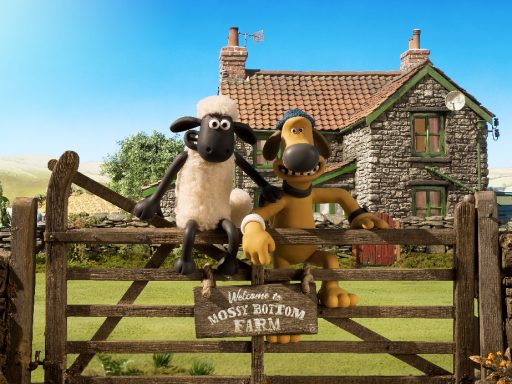
As we get ready for our Shaun the Sheep-themed half term, Shawana delves into the history of one of the nation’s favourite animated characters.
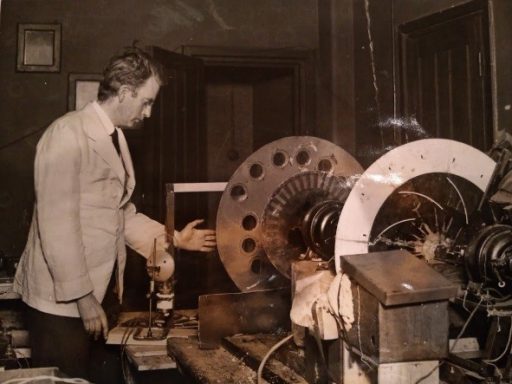
Take a closer look at the workings of an enigmatic object from our collection: John Logie Baird’s Double-8 apparatus, used in early demonstrations of television.
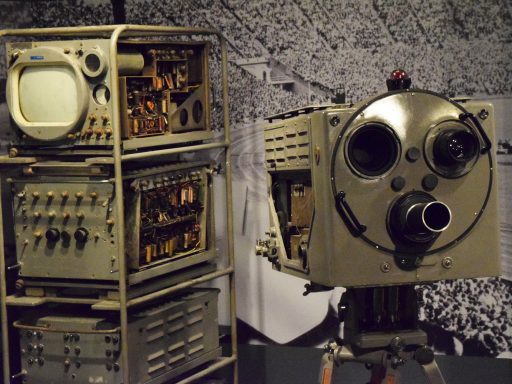
The 1948 Olympic Games cemented television as the ultimate immersive experience of the age.
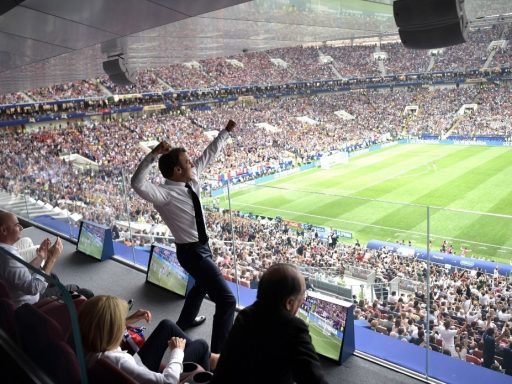
How has TV coverage changed as the World Cup has grown? We take a look at some of the facts and figures.
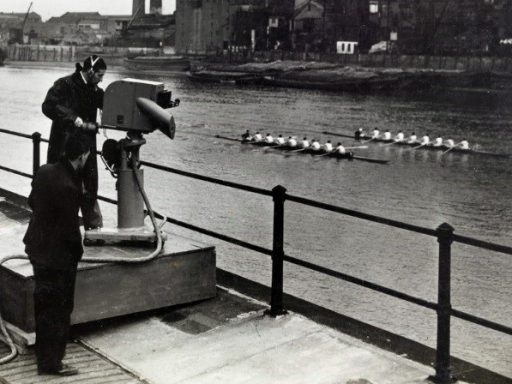
Curator Toni Booth digs into our archives to examine early film and television of one of Britain’s most iconic sporting events: the Oxford/Cambridge Boat Race.
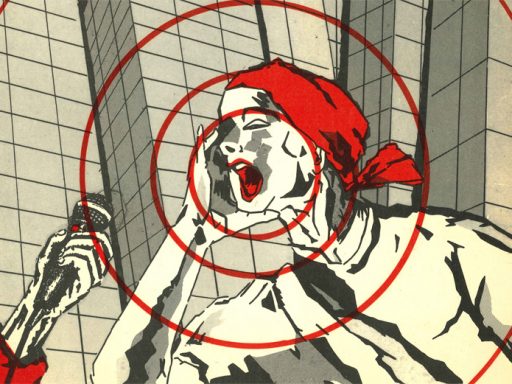
Placement student Elaine Rhodes, from the University of York, writes about her research into Bradford pirate radio.