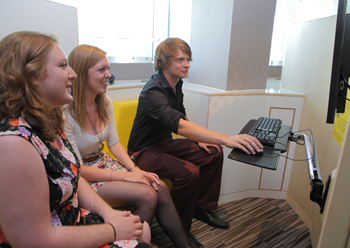
If the latest influx of reality TV isn’t your bag, come in from the cold and work your way through 2,500 TV and film titles from the BFI National Archive.
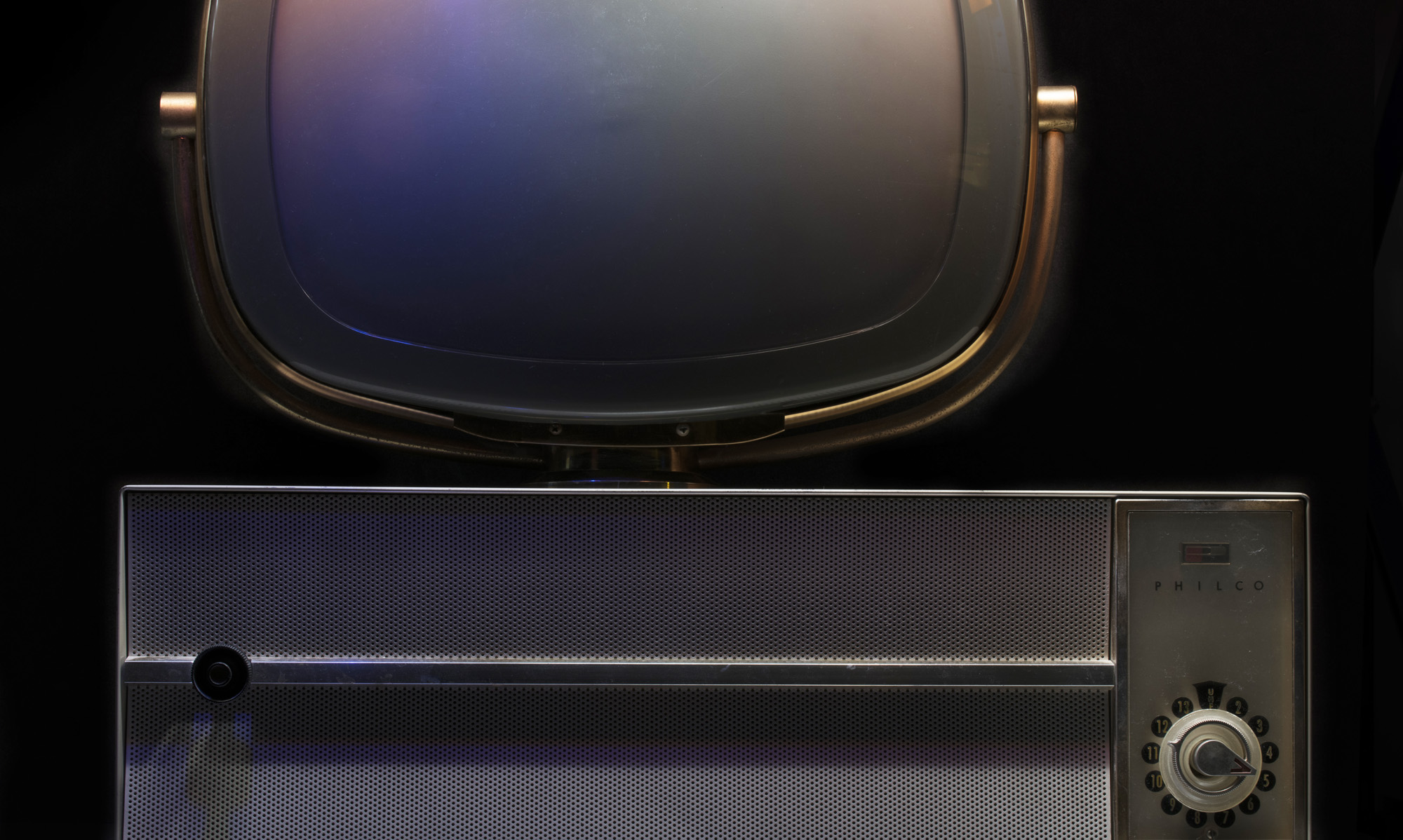
Our collection includes iconic objects from the history of television and radio, and we explore sound and vision technologies through our galleries and exhibitions.
If the latest influx of reality TV isn’t your bag, come in from the cold and work your way through 2,500 TV and film titles from the BFI National Archive.
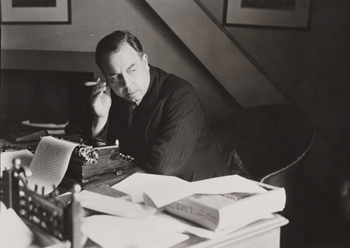
Curator Iain Logie Baird looks back at this forgotten gem of a short story and considers the Bradford-born author’s many contributions to television.
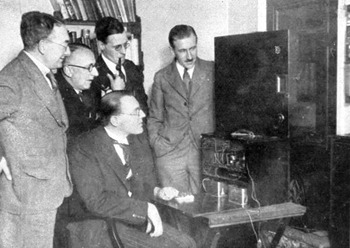
Iain Logie Baird has been researching the first time that TV was officially received outside London. What a coincidence that it was right here in Bradford.
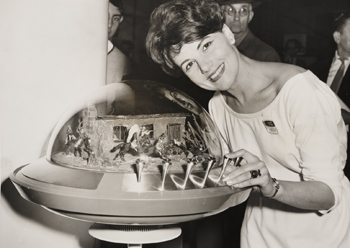
Iain Logie Baird looks through our collection to find out what it can tell us about past predictions of the future of television, and what those predictions might mean now.
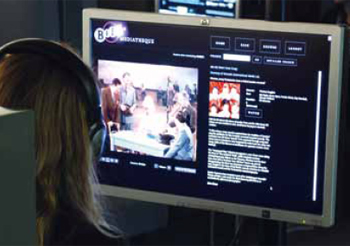
Watch the best, the rarest and the most extraordinary films and TV programmes from the BFI National Archive with BFI Mediatheque from Friday 19 July 2013.

Fancy a sneak peek at some of the objects making their way here for our Moving Stories exhibition? Yeah you do (hint: they’re awesome).
Throughout this month, we’ve been counting down to our 30th birthday, and now it’s finally here!
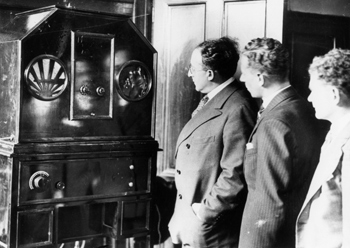
Iain Logie Baird is certain that the Model B Televisor in our collection was tuned in to the very first television broadcast. That’s a lot of history in one object.
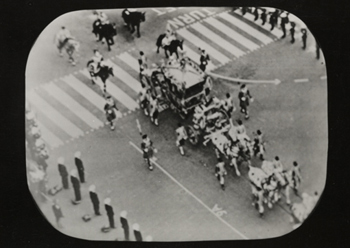
Queen Elizabeth II’s Coronation put television on the map. Iain Baird looks at some of the objects in our archive that document that momentous day in TV history.

Brian Liddy looks back at the Museum Exile of 1997—when all the objects in our collection (along with their curators) went on an adventure to Halifax.
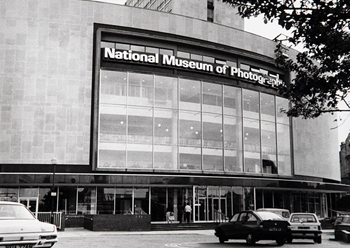
We’ll be counting down to the big 3-0 by sharing some of our biggest achievements and most interesting collection items, and we want you to share your memories.
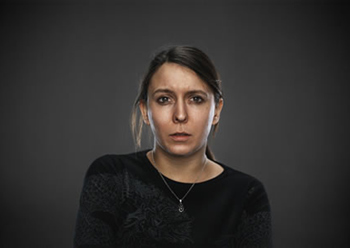
Robbie Cooper’s Immersion project captures images of people as they become immersed in different types of media—and now you can get involved.