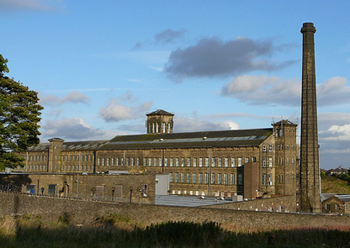
Brian Liddy looks back at the Museum Exile of 1997—when all the objects in our collection (along with their curators) went on an adventure to Halifax.
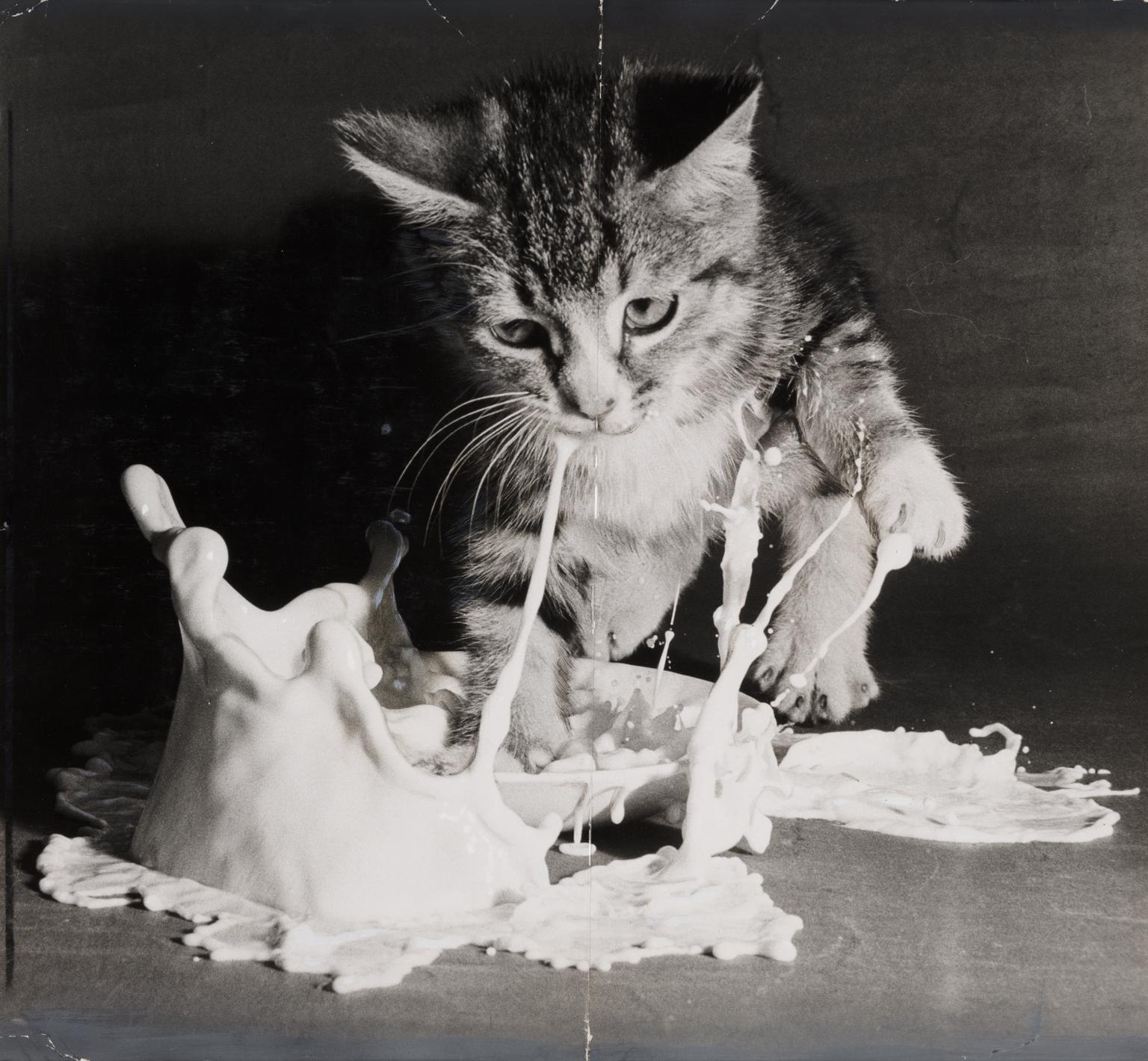
From the very first photographic images to the work of contemporary photographers, photography is one of our major areas of expertise and is represented throughout our collection.
Brian Liddy looks back at the Museum Exile of 1997—when all the objects in our collection (along with their curators) went on an adventure to Halifax.
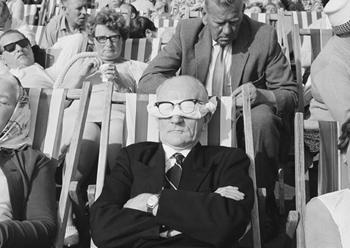
Eleanor Macnair, Media Space Press Officer, looks at the Tony Ray-Jones collection and the exhibition that will launch Media Space at the Science Museum.
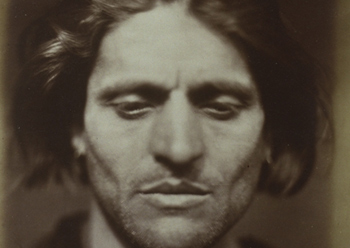
Even if you’ve never seen it before, it’s likely that ‘Iago’ will feel instantly familiar. Emily shares one of her favourite photographs from our collection.
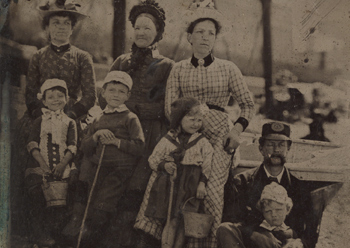
In our next post about dating your old family photographs, Colin Harding shows you how to identify a ferrotype, more commonly known as a tintype.
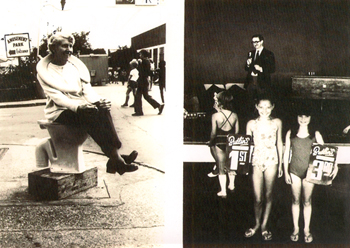
An new archive, including work by Martin Parr, Julian Germain and Anna Fox, has joined our collection.
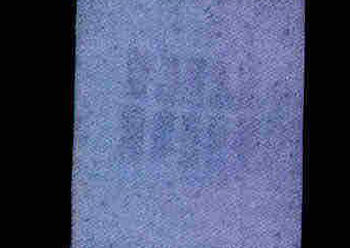
The world’s earliest surviving negative and Fox Talbot’s mousetrap cameras—priceless artefacts from the birth of photography—are stored here in our archives.
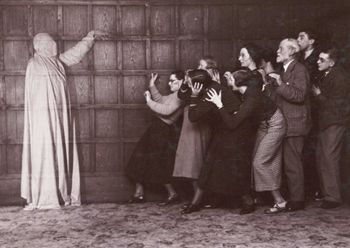
Colin Harding takes a quick peek at the spooky world of photographic ghosts, from the first accidental images to the charlatans of the Crewe Circle.
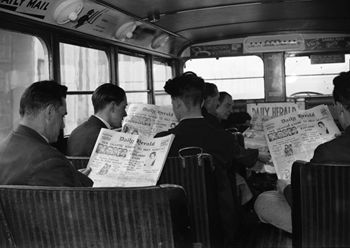
Containing millions of photographs from the first half of the 20th century, the Daily Herald Archive is one of the gems of our collection.
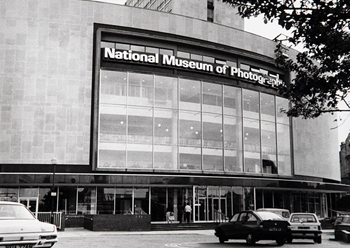
We’ll be counting down to the big 3-0 by sharing some of our biggest achievements and most interesting collection items, and we want you to share your memories.
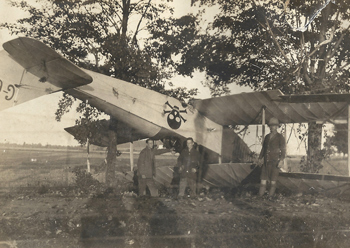
Flickr is rebooting the Commons, and they’ve just launched two brand new institutions.
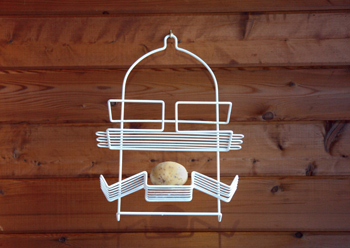
Paul Salveson’s work, Between the Shell, uses commonplace items and objects within domestic environments to construct absurdist images.
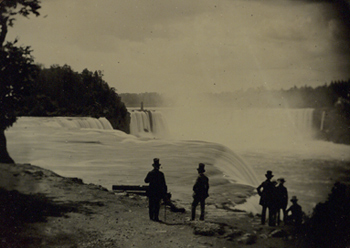
In this week’s post about dating your photographs, Colin Harding shows you how to identify a collodion positive, also known as an ambrotype, using just a few simple clues.