There are lots of agents which can cause deterioration to the objects in a museum’s collection – conservation professionals across the world are constantly ensuring that objects are kept in the correct environment, are handled and stored carefully, or are protected from disasters like fire or flood.
But there are far creepier forces which threaten our objects that we must fight against. Ones that lurk in the darkest corners of stores and galleries, waiting for the next opportunity to scuttle towards objects and do their worst. They are hair-raisingly small and cause frightening damage to objects.
We are, of course, talking about insects. Nuisances in homes and workplaces alike, some of these pests can cause significant damage and disfigurement to objects, sometimes destroying them altogether. They are often searching for food, water, or nesting materials – and will not make the distinction between a rotting tree in a forest, your woolly jumper or an irreplaceable museum object.
Read on at your peril – we’re about to show you some of the horrifying creatures caught in our traps…
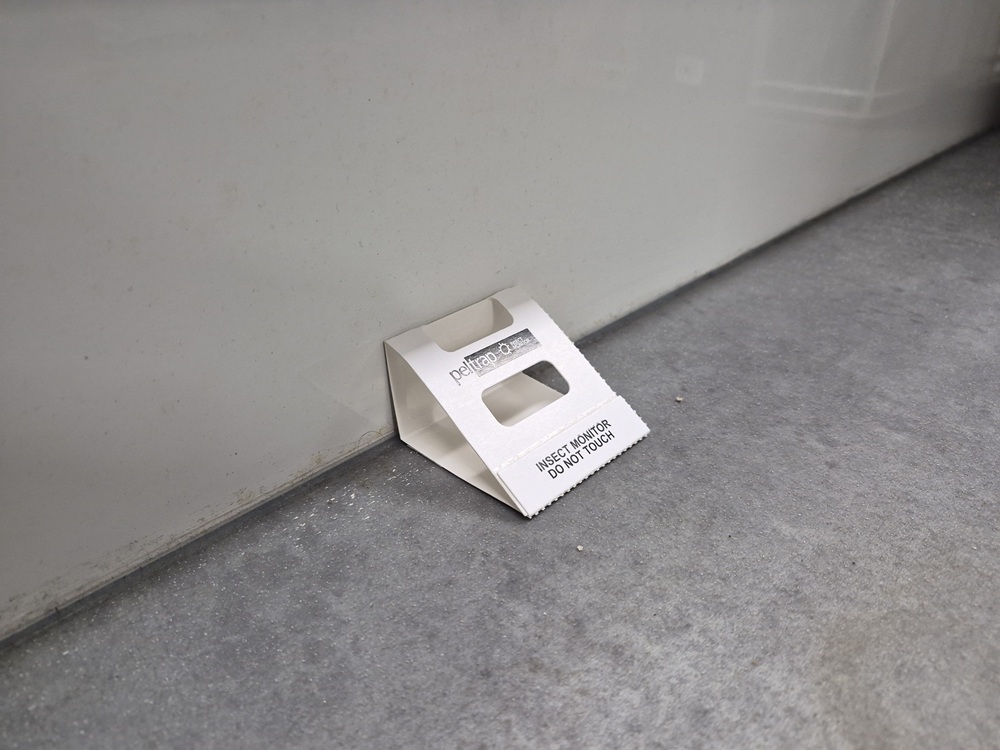
It’s a scary thought. Tiny pests, sometimes invisible to the naked eye, could be munching their way through our collection. A carpet beetle larvae will find furs and feathers a tasty treat, a furniture beetle will bore its way through wooden structures after lying dormant for years, and moths will see a textile collection as a smorgasbord.
But never fear! Museums have developed ways of preventing this horror. We place traps across the museum in spots where pests are most likely to be crawling, allowing us to monitor what is creeping about. Most pests are more active during summer, which means that looking at and identifying what we’ve caught in the busiest traps often falls around spooky season.
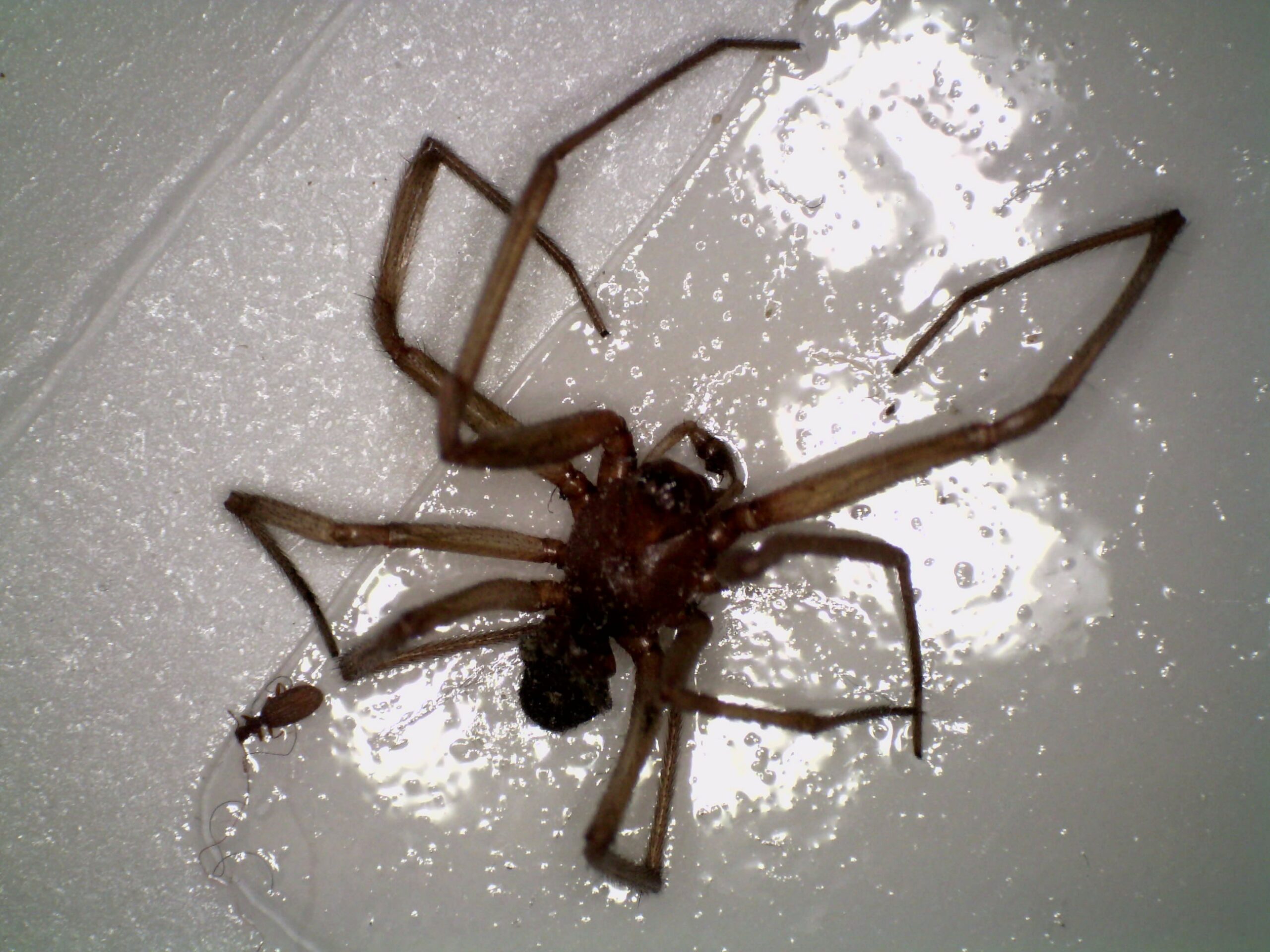
Some trap residents can be easily seen with the naked eye, but we use a digital microscope to view and identify everything down to the smallest mite – which can often lead to the shock of seeing the scaly hide of a woodlouse, the imposing face of a moth or every bristling leg of a millipede in fascinating, close-up detail. Spiders don’t represent much of a threat to our collection but are sure to frighten the unexpecting conservator looking through a microscope! The sight of a carpet beetle larva (cutely named a woolly bear) not-so-cutely chomping its way through the carcass of a silverfish is impossible to forget.
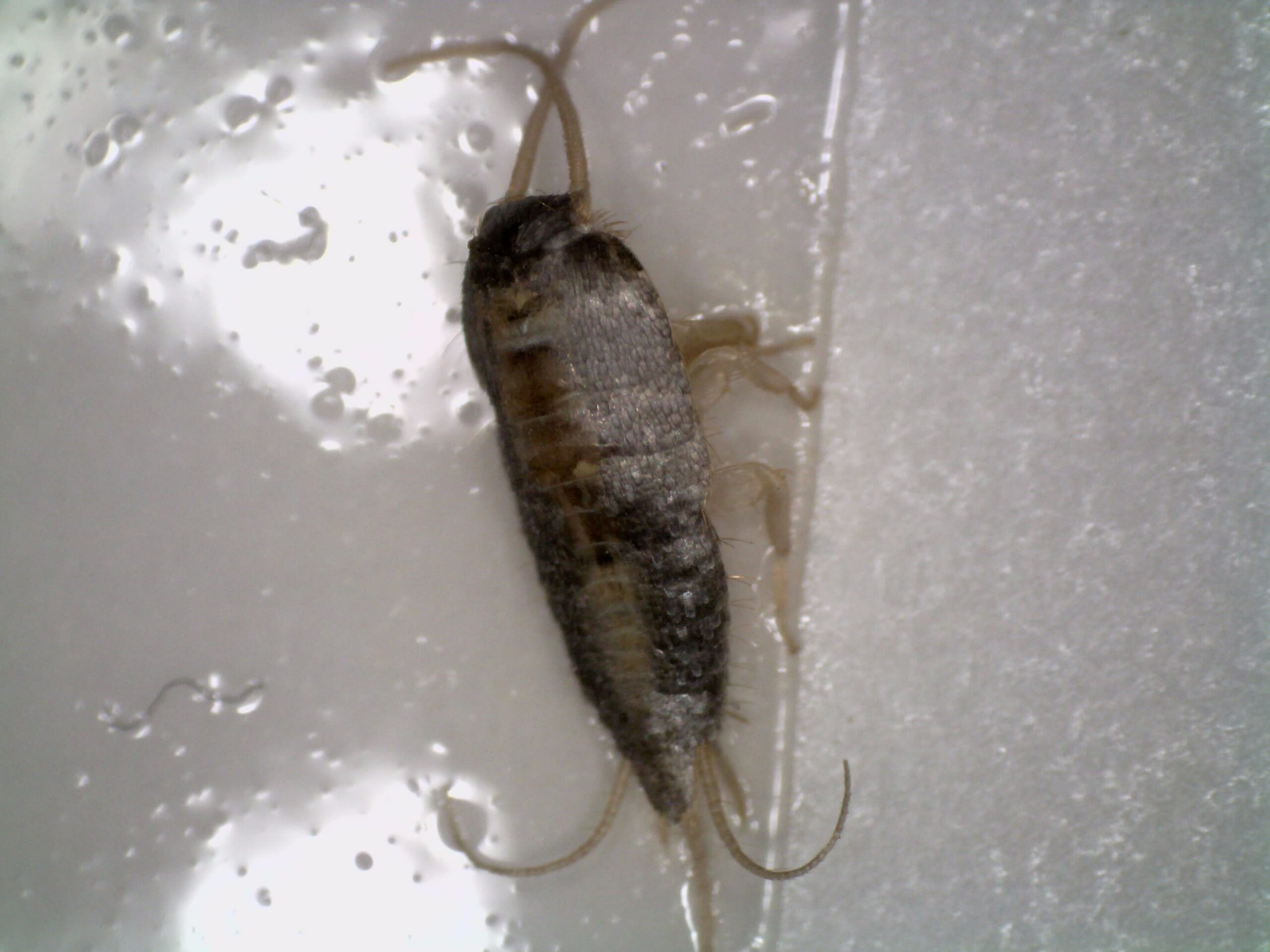
So when the Halloween decorations come down for another year, spare a thought for the brave conservators tackling creepy crawlies and the scarier side of museums all year round.