Jessica Crann and Martha Jones, conservators at the Science and Innovation Park, the home of a great proportion of the Science Museum Group’s collection, show us their favourites objects.
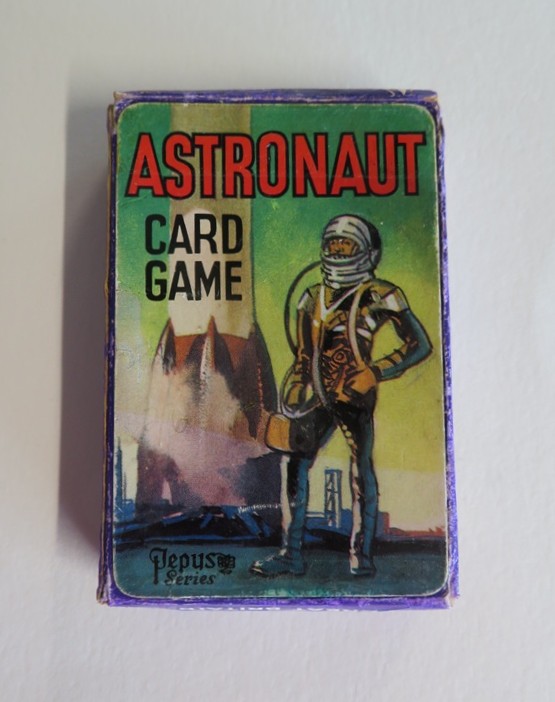
Jessica has conserved the Pepys Series ‘Astronaut’ card game, released in 1961 to celebrate the arrival of space travel. The set consists of 44 cards, with colour illustrations by British artist Rex Pitts.
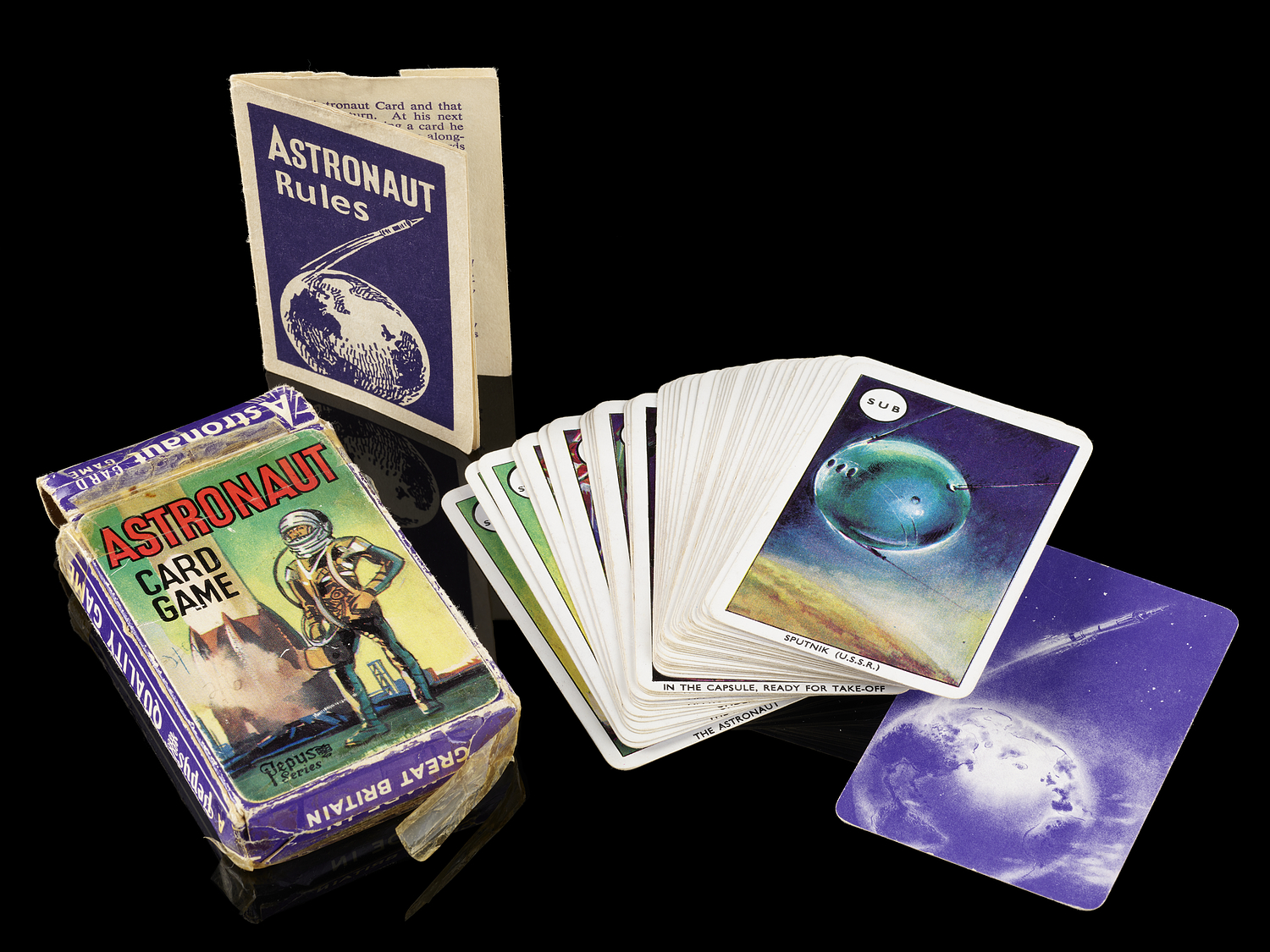
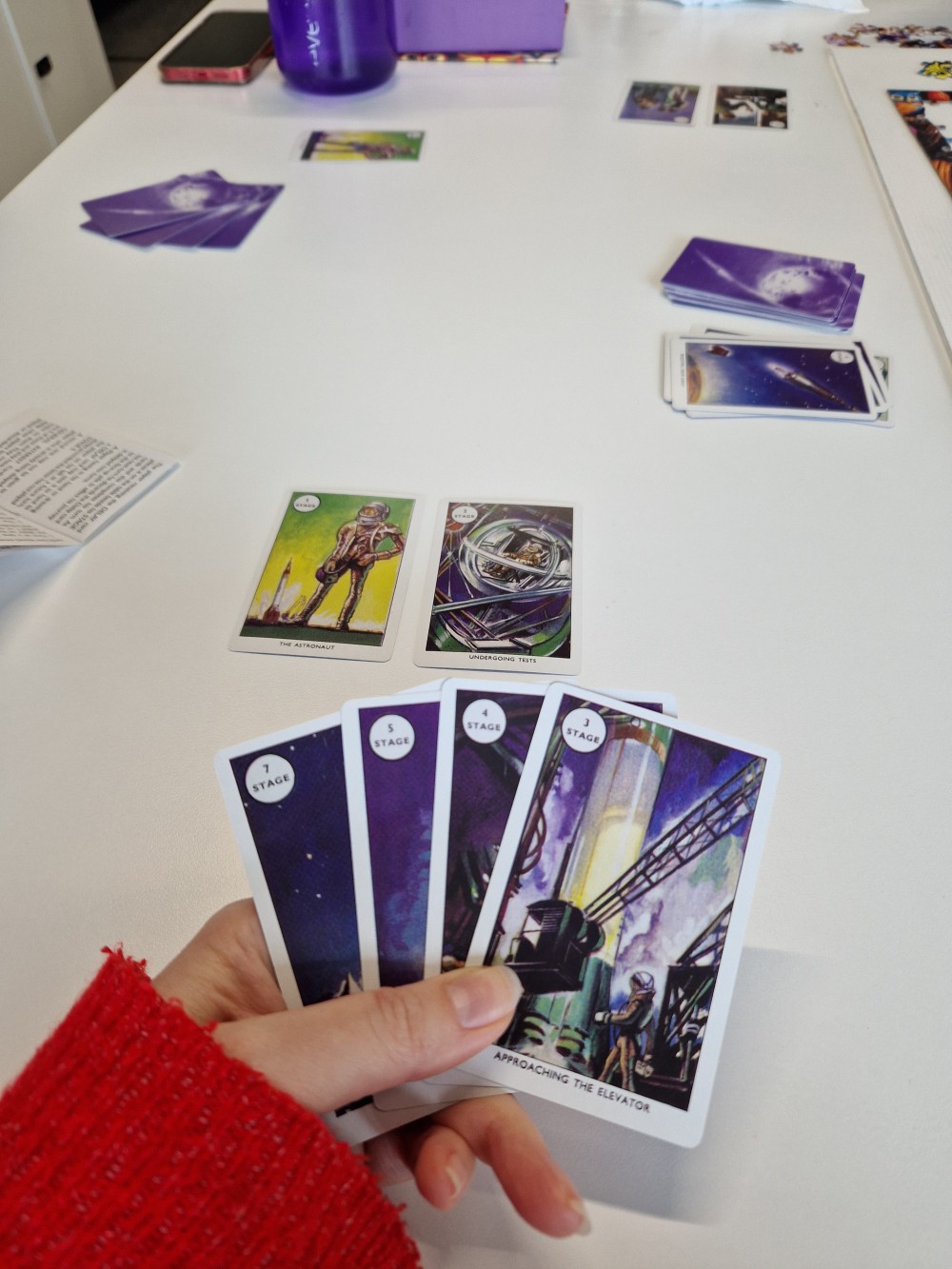
The aim of the game is to get your astronaut to the moon, and there are seven stages which must be played in the correct order to win the game, beginning with ‘the astronaut’ and ending with ‘landing on the moon’. However, watch out for ‘delay’ cards which can impede your journey, such as the astronaut taking ill or bad weather.
This looked like such a fun game that we looked online for how to play it, and ended up finding a 2011 reprint edition of the game on Ebay, so of course we bought it and have been playing it on our lunch breaks!
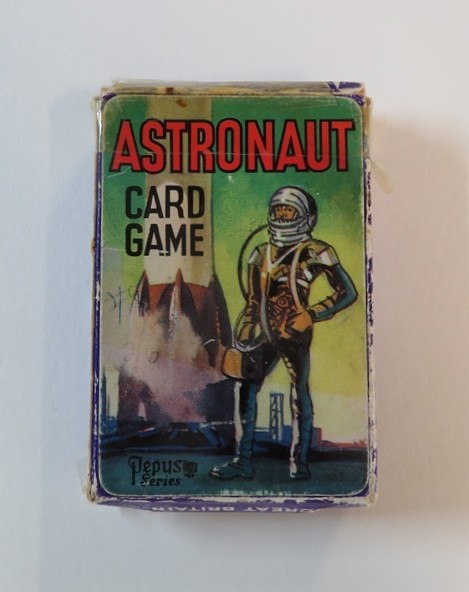
But back to the condition and conservation treatment – the playing cards were in fairly good condition but the original box was quite damaged and in need of conservation treatment. The box was made of cardboard and had numerous losses, crease damage, tears and delaminating areas. There were also multiple areas of pressure sensitive tape holding the box together, which over time had become brittle and had degraded and gone yellowy/brown. The upper opening of the box was missing a side flap, and the remaining flap had a tear along its fold line causing it to partially detach.
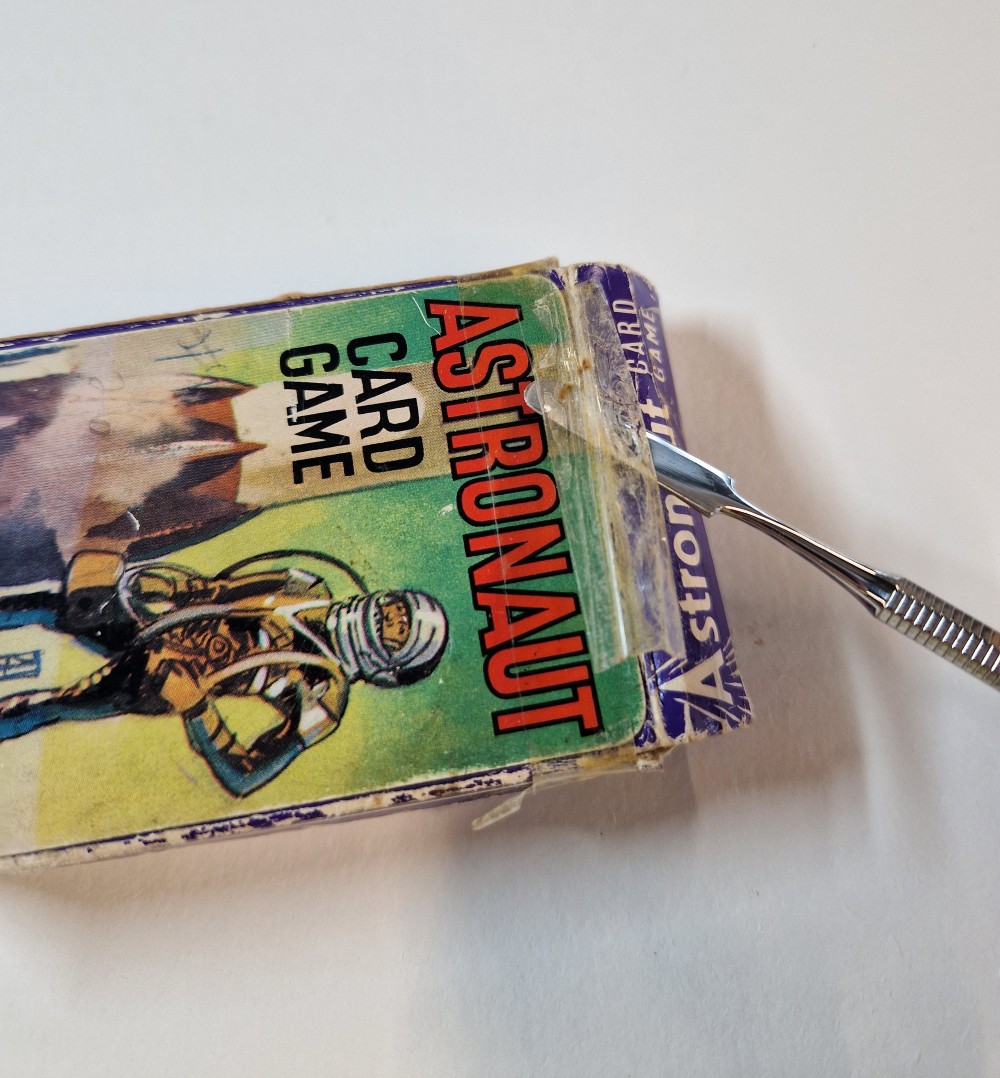
The treatment aims were to remove as much of the pressure sensitive tape as possible and stabilise the structure of the box. Luckily, much of the pressure sensitive tape was so degraded, it could be gently lifted away from the surface using a metal spatula.
To stabilise the structure of the box, I cut foam to the right size and shape so that it fit inside the box to give structure whilst I carried out repairs. Small strips of Japanese tissue were adhered to the inner areas of the box using wheat starch paste, a fully reversible adhesive used in paper conservation. Repairs focussed on splits or damaged areas and to reinforce folds or flaps thereby improving the overall structural integrity.
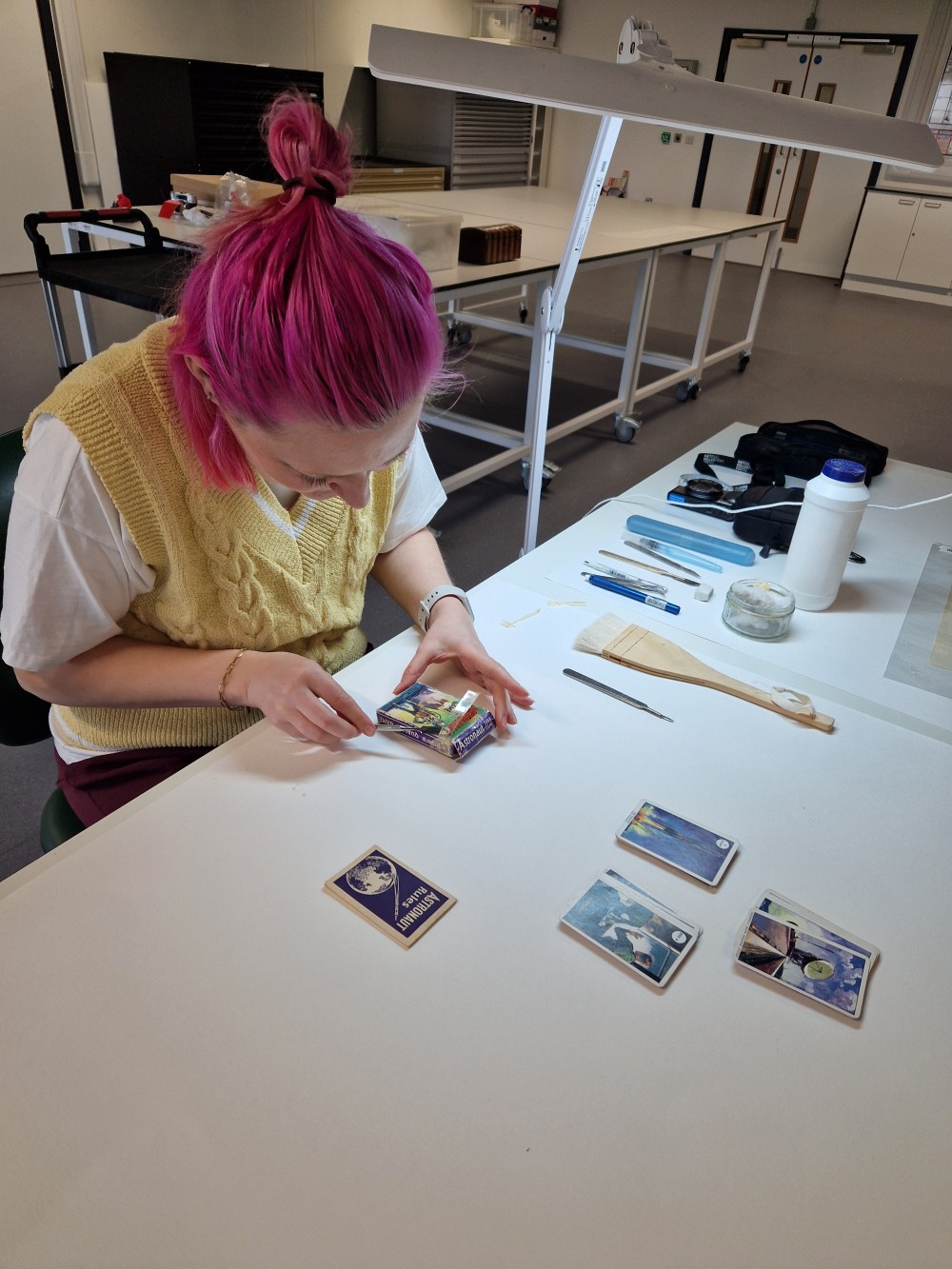
To finish, I used Carbothello pencils to retouch minor areas of loss, this helped to unify the object and means the focus is on the lovely illustration on the box and not any areas of damage.
Martha worked on the Marconi Mk III camera head, released in 1953, was a key part of the broadcast and transmission of the Eurovision Song Contest.
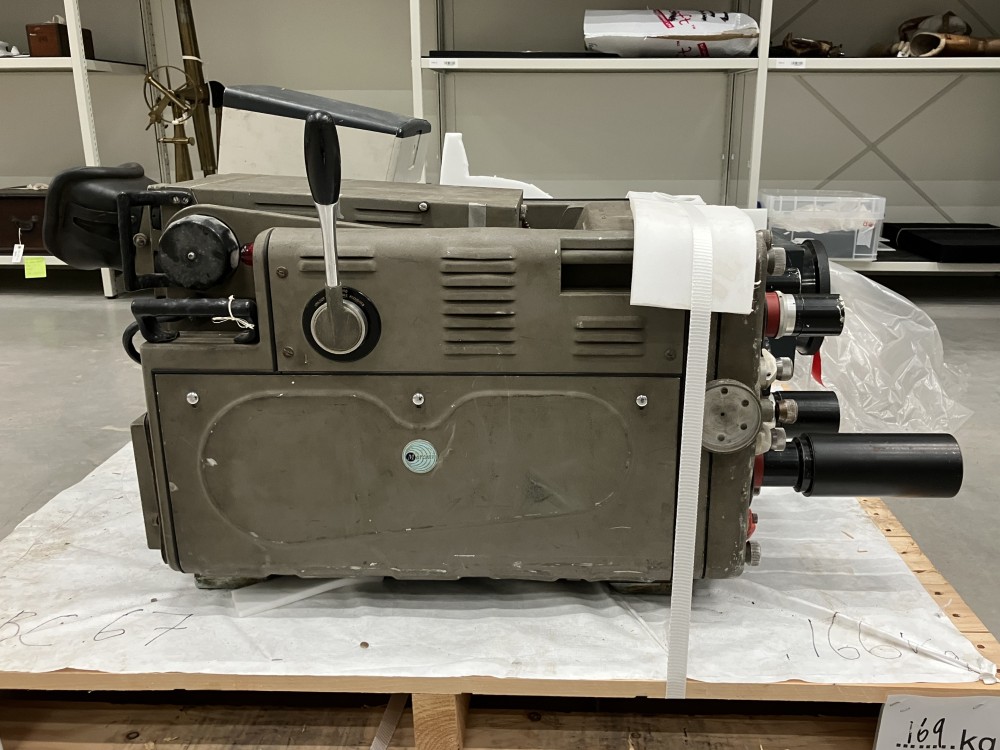
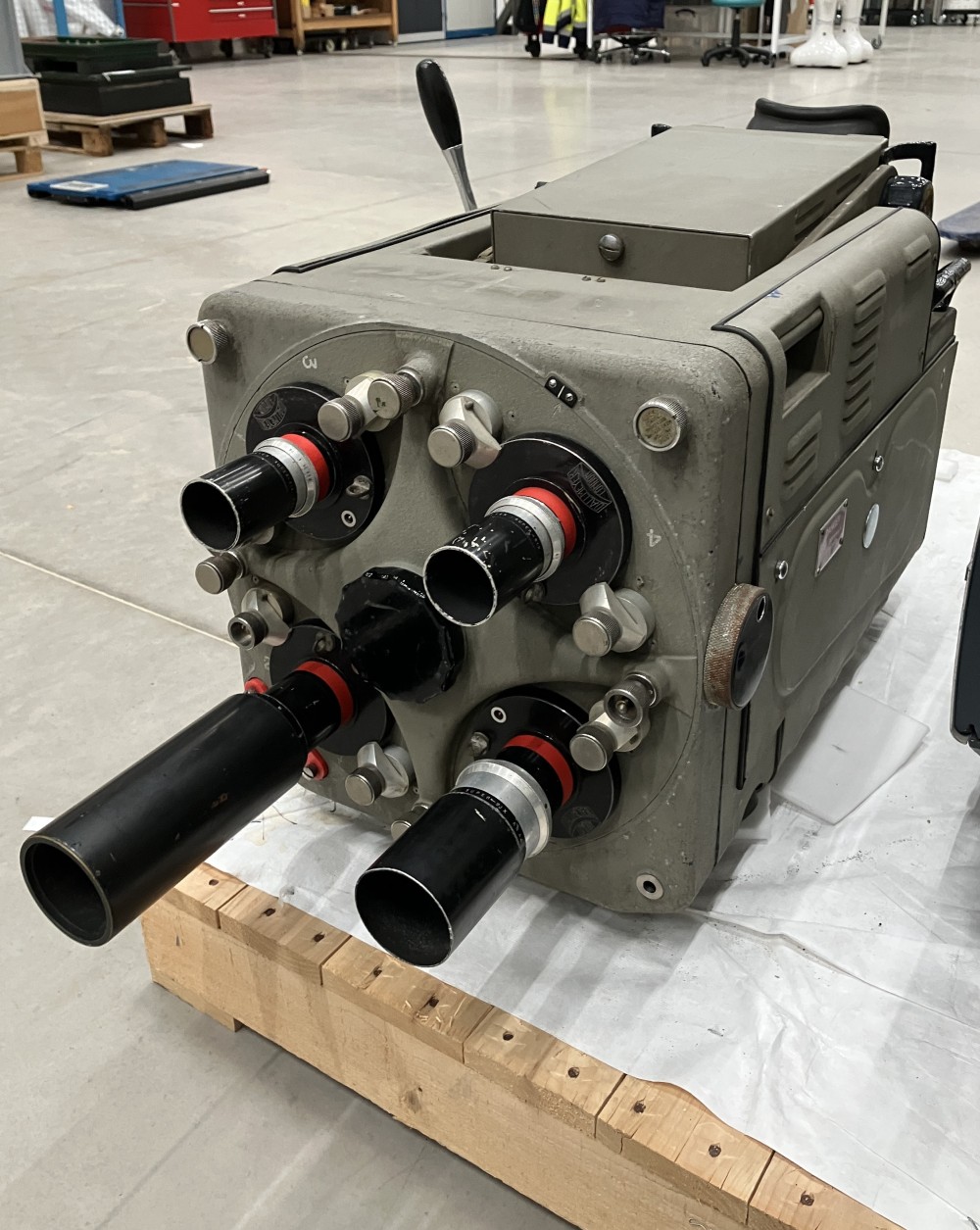
Due to its size and weight (a whopping 80 kg!), the camera was the most intensive of the objects I conserved. I ultimately spent six hours on its treatment, from condition recording to cleaning.
The camera was brought into the lab with mould covering many of its plastic surfaces, specifically on its handles, and the black dial on the camera’s face. The camera’s body was scratched overall and covered in a thick layer of surface dirt and dust. The textured coating covering the entirety of the body was degrading in places, specifically surrounding the camera’s face, resulting in a raised, rough appearance. There was also a significant amount of tape residue attached to the top and sides of the camera. The metal dials on the face were covered in varying levels of copper corrosion.
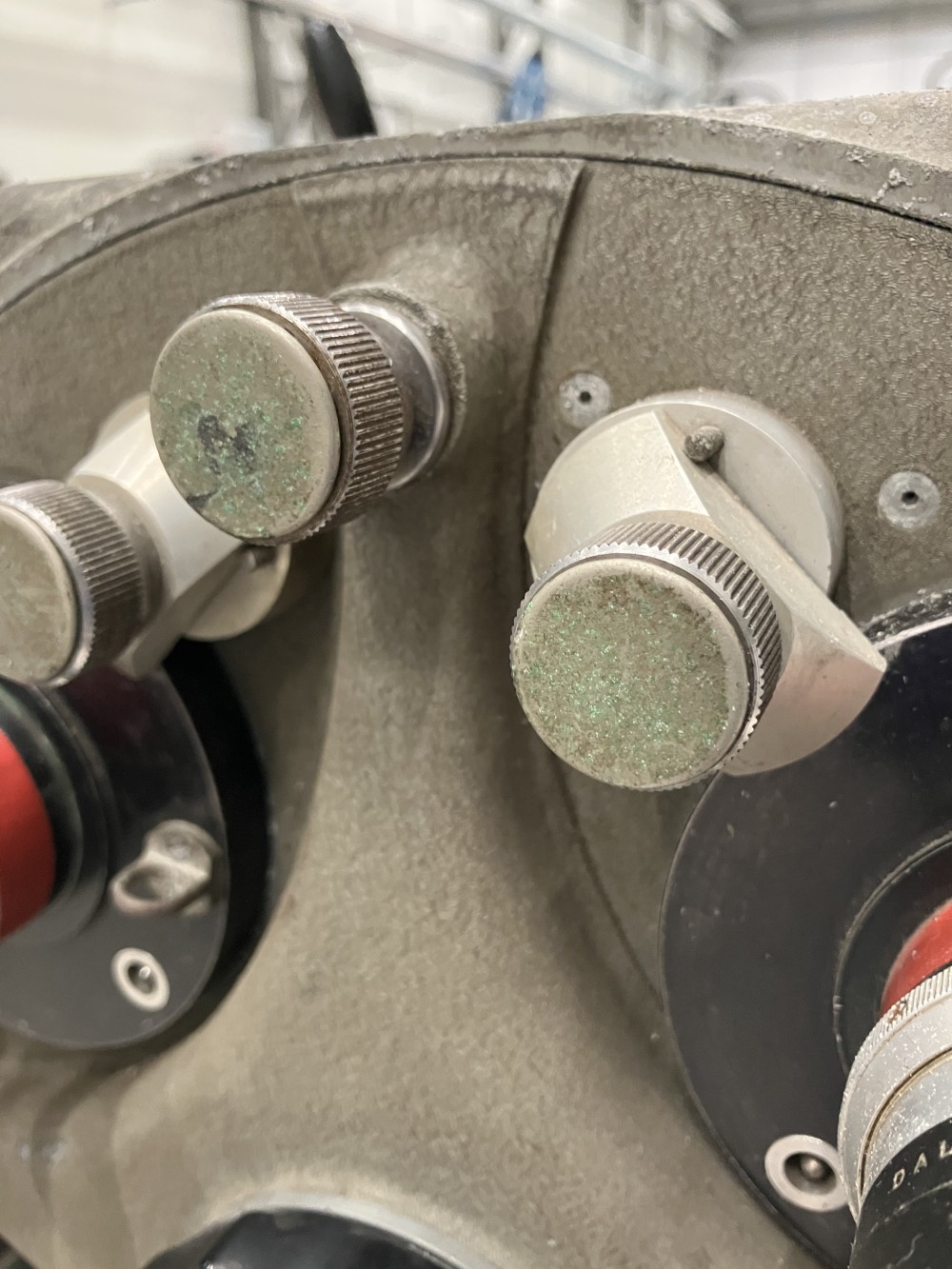
Prior to beginning any treatment, I removed the mould from the camera’s surfaces. Mould is a commonly encountered but potentially damaging hazard within museum collections, and I ensured that I was wearing the correct PPE and ventilating the lab space to protect myself and others. To remediate the mould, I used an alcoholic wipe followed by a small amount of deionised water to remove any residue. I then began to surface clean the camera with a conservation grade detergent mixed with deionised water. I was surprised to find that under the layer of dirt, the camera was a much lighter grey than had initially appeared! The tape residue was softened with acetone and carefully removed using a scalpel.
I next tackled the corrosion on the front dials. I used a scalpel to slice away at the top layer of corrosion products while leaving the metal surface undamaged. I then coated the dials with crystalline museum wax to prevent further deterioration from occurring.
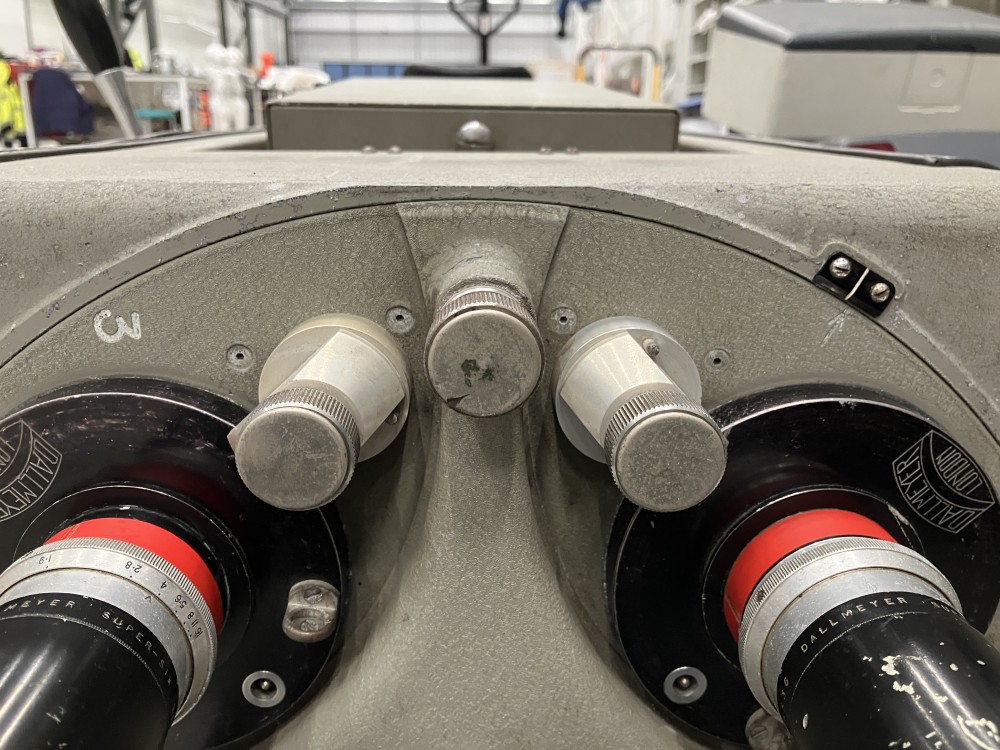
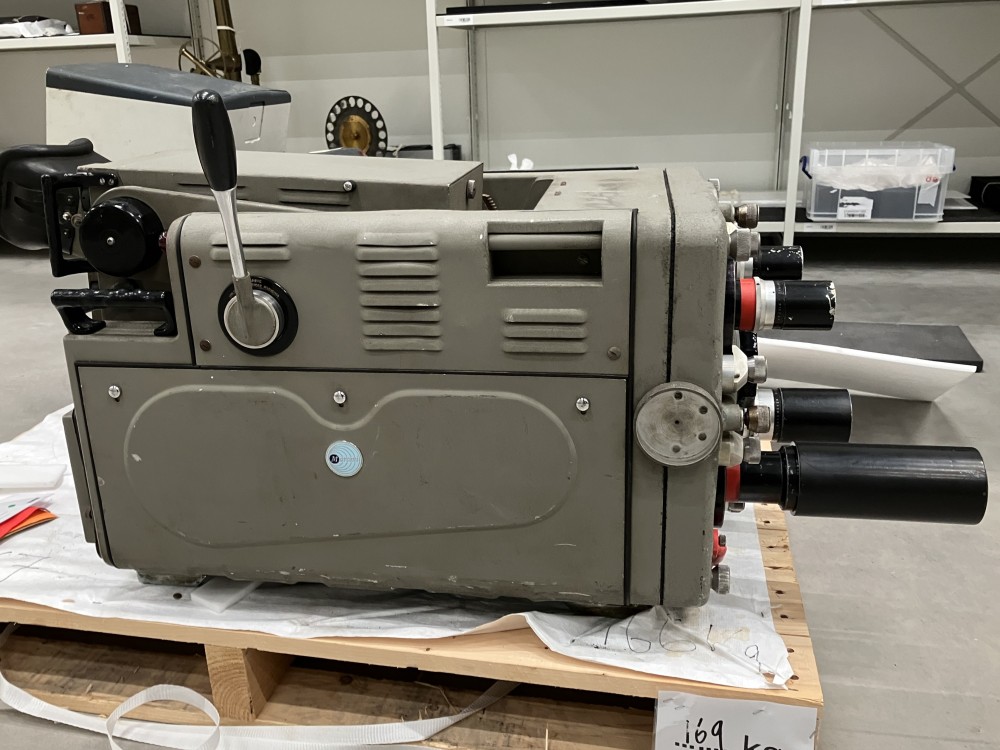
Following conservation treatments, the camera was photographed by the wonderful Jamie Torrance from our in-house photography team before I prepared it for transport to Bradford.
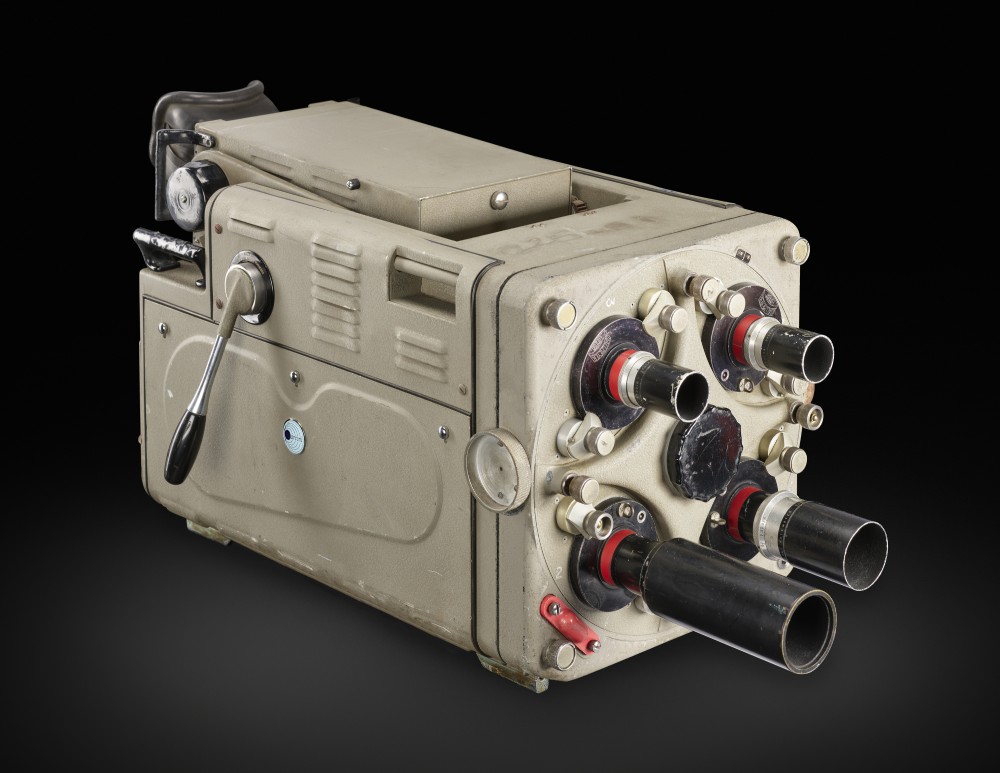
The Camera after conservation looks really good, well done.